

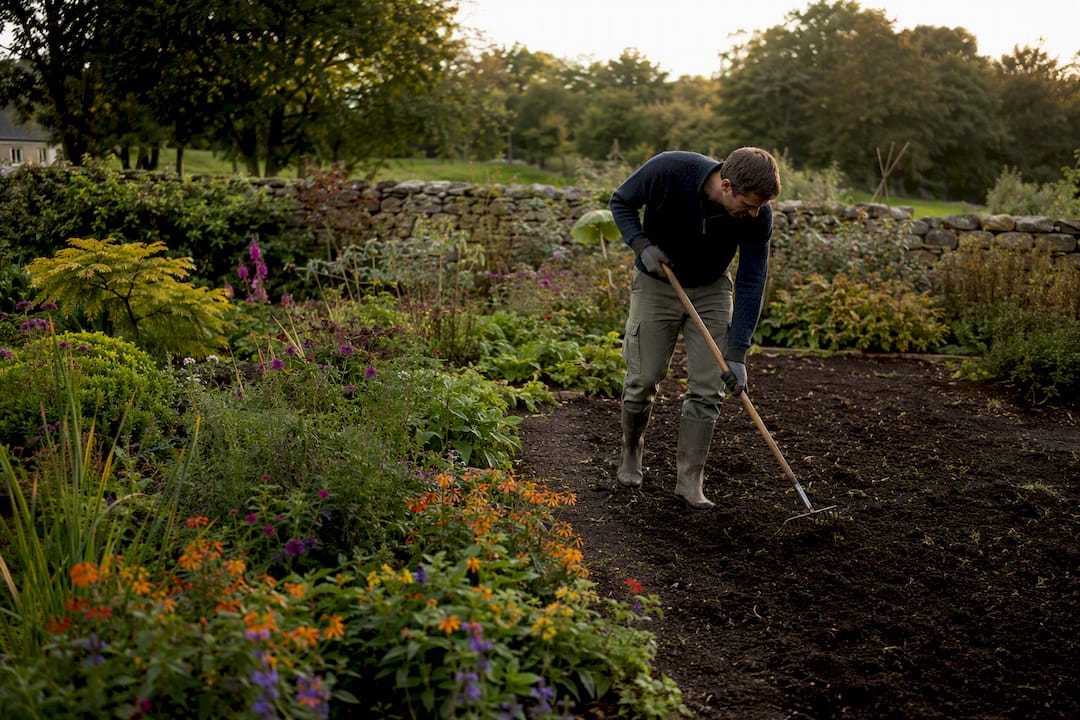
Garden maintenance covers the recurring work that keeps a lawn, hedges and beds healthy, tidy and safe to use: mowing, trimming, feeding, weeding and seasonal treatments like scarification. Done properly, it protects the value of a property and stops small problems (overgrown hedges, waterlogged lawns, moss build up) turning into expensive fixes.
In Ireland, expect to pay somewhere between €25 and €60 an hour for general garden work, €30 to €75 per visit for a straightforward lawn cut, or €100 to €200+ a month for an ongoing maintenance plan. The fastest way to nail down your own number is to get a few real quotes rather than guess from national averages.
- Hourly: €25–€60 depending on skill and task
- Per visit (lawn mowing): €30–€75
- Monthly plan: €100–€200+
- Fastest route to a firm price: request quotes through Workily and compare
Key Takeaways
Garden maintenance costs in Ireland typically range from €25–€60 an hour or €100–€200+ a month, and getting several detailed quotes matters more than chasing the lowest headline rate.
| Point | Details |
|---|---|
| Know the price bands | Expect €30–€75 per lawn-mowing visit, €180–€300 for a lone gardener’s day rate, and €100–€200+ monthly for a maintenance plan. |
| Demand a detailed quote | Labour, materials, waste removal and travel should all be itemised separately, not bundled into one vague figure. |
| Book seasonal work early | Spring is the busiest period, so book scarification and first cuts in February or March to avoid shortages. |
| Split DIY and pro jobs | Handle weekly mowing and watering yourself; leave scarification, drainage and major pruning to a professional. |
| Compare quotes on Workily | Use Workily to request multiple quotes from verified, insured gardeners and book instantly once you’ve compared them. |
Table of Contents
- What garden maintenance services cost across Ireland
- How gardeners actually build their prices
- What should you ask before accepting a quote?
- When should you schedule garden maintenance tasks?
- DIY or hire a professional?
- Sustainable garden maintenance practices worth adopting
- Managing common garden pests and diseases
- A season by season maintenance schedule
- Staying safe with equipment and chemicals
- What actually matters when hiring garden help
- Book verified gardeners and compare quotes on Workily
- Frequently asked questions
- Sources
What garden maintenance services cost across Ireland
Most Irish homeowners book the same handful of jobs: lawn mowing, hedge trimming, general tidy-ups, planting, scarification and the odd bit of light hard landscaping like edging a path or resetting a border. Property managers tend to add seasonal treatments and pest checks on top, since a communal garden that’s left unchecked over a wet Irish summer gets out of hand fast.
Pricing follows a few patterns you’ll see repeated by gardeners from Dublin to Athlone. Lawn mowing typically costs between €30 and €75 per visit for a small to medium garden, with the higher end applying to larger lawns or those needing strimming around edges and obstacles. Garden tidy-ups and one-off clearances usually run €80 to €300+, climbing sharply if the garden is badly overgrown or the crew has to cart away several trailer loads of green waste.
Hourly rates give a useful second reference point. General hourly rates across Ireland sit around €25 to €60, with Dublin and Galway typically at the upper end and towns like Athlone or Mullingar often a little cheaper for the same job.
- Regular monthly plan: €100–€200+ (covers mowing, edging and basic upkeep)
- Full seasonal service, feeds and treatments included: often €700–€1,500 a year
- Day rate, lone gardener: €180–€300
- Day rate, two-person crew: €350–€520
- First cut of the year on a neglected lawn: expect a premium on top of the standard rate, since matted grass and moss take longer to clear
If your garden hasn’t been touched since last autumn, mention that upfront when requesting quotes. Gardeners in Limerick and Cork report the same thing: an “overgrown” first visit routinely takes two to three times longer than a maintained lawn, and a fair quote should reflect that rather than surprise you on invoice day.
How gardeners actually build their prices
A proper quote is never a single number plucked from the air. It’s built from labour, materials, waste removal, travel time, and a share of the gardener’s overheads and profit margin. Understanding the pieces helps you spot a quote that’s too vague to trust.
- Labour — priced by the hour or the day. A lone maintenance gardener commonly charges €180–€300 a day, while a two-person crew runs €350–€520, reflecting the extra hands and speed.
- Materials — compost, mulch, plants, grass seed or fertiliser, billed at cost plus a markup.
- Waste removal — skip hire or tip fees for green waste, often the line item that gets left out of “cheap” quotes.
- Travel and setup — fuel, loading time and machinery transport, especially relevant for rural properties outside the main towns.
- Overhead and margin — insurance, equipment wear and a profit margin, typically 15–25% built into the final price.
VAT applies where the gardener is VAT registered, and larger clearance jobs sometimes carry a separate waste-permit cost if disposal volumes are high. A quote that skips all of this and just states one round number deserves a follow up question before you sign off.
Pro Tip: Ask every gardener to break the quote into labour, materials and waste disposal separately. If they can’t or won’t, treat that as a warning sign rather than simplicity.
Watch for vague scope (“general tidy up” with no list of tasks), no mention of insurance, or a quote that conveniently forgets what happens to the three trailer loads of hedge cuttings once the job’s done.
What should you ask before accepting a quote?
Comparing three quotes side by side only works if you’re comparing the same job. Before you decide, ask each gardener the same set of questions so nothing gets lost between the lines.
- What exactly is included, and what counts as extra?
- How many people will be on site, and how long will the job take?
- Is waste and green refuse removal included in the price, or billed separately?
- Are you insured, and can you show proof if asked?
- Do you have references or photos from recent jobs?
- What’s the payment schedule, and is a deposit required?
Fixed-price quotes work best for one-off jobs like a garden clearance or a first cut on an overgrown lawn, since you know the total cost before work starts. Hourly quotes suit smaller, unpredictable tasks such as light weeding or a quick hedge tidy where scope is hard to pin down in advance. For recurring mowing, a monthly plan or per-visit rate usually beats paying hourly every time, purely for cost predictability.
Before booking, check for insurance cover, look for genuine reviews rather than a handful of five-star ratings with no detail, and ask to see before-and-after photos of similar gardens. Workily’s vetting process checks insurance and credentials before a professional appears on the platform, which removes a lot of this legwork.
When should you schedule garden maintenance tasks?
Irish weather sets the calendar more than the diary does. Cool, wet springs delay the first cut, and a mild autumn can push the final mow later than the textbooks suggest, so treat these windows as guidance rather than fixed dates.
- March–April: first cut once grass reaches about 3 inches
- April–May: spring feed to kick-start growth after winter
- March–October: regular mowing through the growing season
- Early autumn: scarification to clear thatch and moss before winter sets in
- October: final cut of the year before growth slows
Scarification and aeration work best during active growth periods, so timing them right matters more than doing them often. Spring is the busiest booking season for Irish gardeners, and booking your seasonal work in February or March, before the rush hits, usually avoids both limited availability and higher last-minute call-out fees.
DIY or hire a professional?
Weekly mowing, watering and light weeding are jobs most homeowners can manage themselves with a decent mower and half an hour a week. Where DIY starts to cost more than it saves is anything requiring specific machinery or timing: scarification, aeration, complex drainage work, major pruning of mature trees, or hard landscaping like retaining walls and patios.
Run the numbers before deciding. Hiring a scarification and aeration package once a year, done properly by someone who knows what they’re doing, tends to deliver better results than repeated DIY attempts that never quite fix soil compaction. Add up the cost of hiring or buying a scarifier, the hours spent, and the risk of getting it wrong, and a single annual callout at €180 to €300 often wins on both time and outcome.
- DIY: weekly mowing, watering, light weeding, basic deadheading
- Hire a pro: scarification, aeration, drainage problems, major pruning, hard landscaping
- Hybrid approach: book a pro for the heavy seasonal jobs, keep routine upkeep in-house or on a simple monthly plan
Sustainable garden maintenance practices worth adopting
Sustainable gardening isn’t a separate discipline from regular upkeep, it’s mostly a change in how the standard jobs get done. Swapping synthetic fertiliser for organic compost or well-rotted manure feeds soil life as well as the plants, which tends to produce hardier lawns and beds that need less intervention over time.
Water conservation matters more in Ireland than people assume, even with our rainfall. Long dry spells in May and June are becoming more common, and a garden watered deeply but infrequently develops deeper roots than one given a light sprinkle every evening. Water butts collecting roof runoff cut mains usage and cost nothing to run once installed.
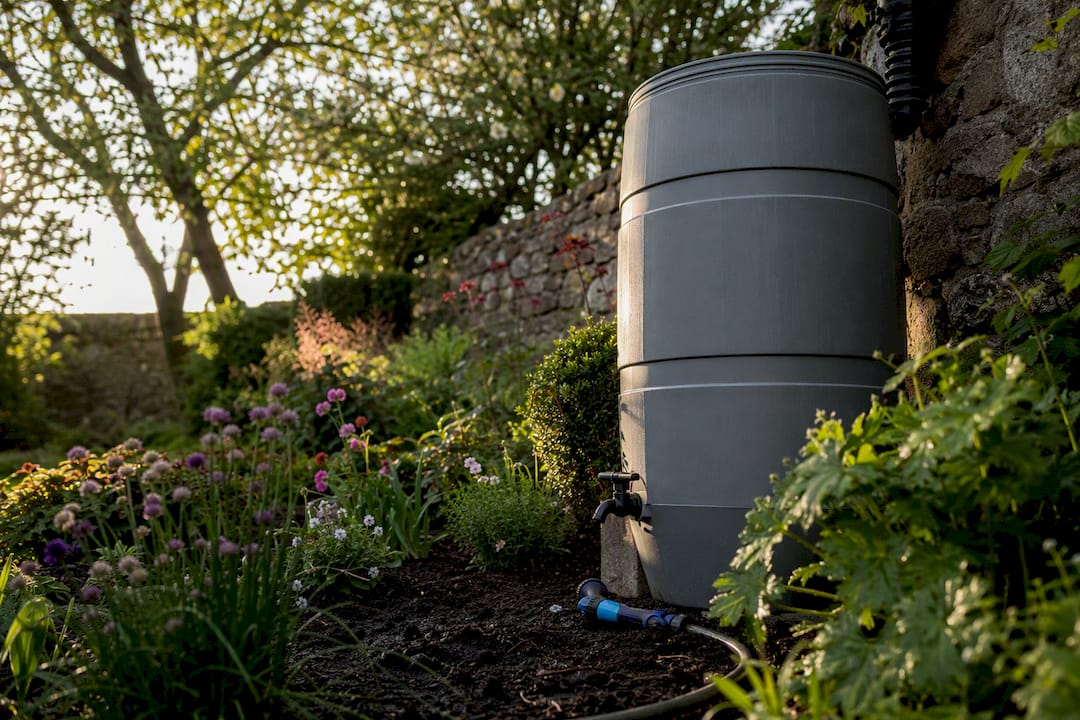
Leaving grass clippings on the lawn after mowing (a practice called grasscycling) returns nutrients to the soil and reduces the need for feed. Composting hedge trimmings and leaves rather than sending them to landfill closes the loop further, and most councils across Dublin, Galway and Limerick offer brown-bin collection specifically for this waste stream.
Choosing native or pollinator-friendly plants for borders reduces the maintenance burden too, since species suited to Irish conditions generally need less watering, feeding and pest control than imported ornamentals. A garden built around what actually thrives here, rather than what looks good in a catalogue, tends to need far less rescuing later.
Managing common garden pests and diseases
Slugs and snails are the most persistent nuisance in Irish gardens, thriving in our damp climate and doing real damage to seedlings and soft growth overnight. Barrier methods (crushed eggshell, copper tape) and encouraging natural predators like birds and hedgehogs usually outperform chemical slug pellets, which can harm wildlife further up the food chain.
Lawn moss is less a pest than a symptom: it moves in where drainage is poor, shade is heavy or soil is compacted, all common conditions in Irish gardens. Scarification clears existing moss, but improving drainage and reducing shade where possible stops it coming straight back.
Aphids on roses and vegetables respond well to a strong jet of water or an insecticidal soap spray, and ladybirds will do the job for free if you let a small aphid population persist long enough to attract them. Powdery mildew, common on roses and courgettes in humid Irish summers, is best managed by improving air circulation between plants rather than reaching for a fungicide first.
Box blight and leatherjackets (crane fly larvae that chew grass roots) are two problems worth professional attention if they take hold, since both can spread quickly and are harder to reverse once established. A gardener who spots early signs during a routine visit often saves you a much bigger repair job later.
A season by season maintenance schedule
Spring (March to May) is the busiest stretch: first cut, spring feed, edging beds, dividing perennials and getting ahead of weeds before they establish. This is also when most Irish gardeners are fully booked, so early scheduling pays off.
Summer (June to August) means weekly or fortnightly mowing, regular watering during dry spells, deadheading flowers to extend blooming, and keeping hedges trimmed before growth gets away. Pest checks matter most here, since aphids and slugs are most active in warm, damp conditions.
Autumn (September to November) is scarification season, along with aerating compacted lawns, clearing fallen leaves before they smother grass, and planting spring bulbs. The final cut typically falls in October, though a mild year can push it later.
Winter (December to February) is largely about structural work: pruning dormant trees and shrubs, checking fences and hard landscaping for storm damage, and planning the year ahead. It’s also the cheapest time to book bigger jobs, since demand drops off almost completely.
Staying safe with equipment and chemicals
Power tools cause most garden accidents, and strimmers and hedge trimmers are the biggest culprits for cuts and eye injuries. Always wear safety glasses and sturdy gloves when using either, and check the area for stones or debris before starting a mower, since a flung stone from a rotary blade travels faster than most people expect.
Ladders account for a disproportionate number of garden injuries, particularly when trimming tall hedges or clearing gutters. A stable platform ladder on level ground beats balancing on an unstable stepladder every time, and two people on site for ladder work is safer than one.
Chemical products, whether weedkiller, slug pellets or fertiliser, need proper storage away from children and pets, and application only in the doses stated on the label. Overuse of fertiliser doesn’t speed up growth, it scorches grass and can leach into groundwater, which matters near wells common in rural Irish properties. Petrol-powered equipment should always be refuelled outdoors and left to cool before topping up, since a hot engine and spilled fuel is a genuine fire risk that catches people out every summer.
What actually matters when hiring garden help
Most advice on garden maintenance focuses on the wrong thing: finding the cheapest hourly rate. That number matters far less than whether the quote is complete. A €25 hourly rate with waste removal billed separately can easily cost more than a €40 rate that includes everything, and homeowners who chase the lowest headline figure are the ones who end up disputing invoices.
The conventional wisdom also underplays timing. Everyone knows spring is busy, but few guides mention that booking scarification and aeration in isolation, rather than as a paired autumn job, wastes money on two callouts instead of one. Pair the jobs, book early, and you get better availability and a better price.
If there’s one thing worth prioritising above all else, it’s asking for the breakdown before comparing numbers. A vague one-line quote tells you nothing about what you’re actually paying for, and the gardener who gives you a detailed breakdown unprompted is usually the one who runs their business properly.
Book verified gardeners and compare quotes on Workily
Workily is the straightforward alternative to ringing around and waiting days for a callback: verified professionals, transparent quote comparison and same-day booking when you need work done fast, all in one place.

Instead of chasing three separate tradespeople for three separate quotes, you post the job once, get responses from vetted gardeners in your area, and compare their pricing side by side before committing to anyone. Every professional on the platform goes through Workily’s vetting process, which checks insurance and track record before they can take bookings, and payments run securely through the platform rather than cash in hand.
Before you post a job, take a few photos of the garden, note roughly how overgrown it is, and be upfront about access (side gate, shared driveway, tight parking). That detail helps gardeners quote accurately the first time. Head to Workily’s instant booking page to request quotes from local professionals and get your garden sorted this week rather than next month.
Frequently asked questions
How much does garden maintenance cost per month in Ireland?
Most ongoing maintenance plans cost between €100 and €200+ a month, covering regular mowing, edging and basic upkeep. Full-service plans with seasonal treatments included can run €700 to €1,500 a year.
What’s a fair hourly rate for a gardener in Dublin?
General garden work in Dublin typically sits at €25 to €60 an hour, with skilled landscaping work towards the upper end. Rates in Galway, Limerick and Athlone/Mullingar tend to run slightly lower for comparable jobs.
Should I pay a fixed price or an hourly rate?
Fixed prices suit one-off jobs like clearances or a first cut on an overgrown lawn, since the total is agreed upfront. Hourly rates work better for smaller, unpredictable tasks where the scope isn’t fully clear.
When should I book my first lawn cut of the year?
Book for March or April, once the grass reaches around 3 inches, and get on a gardener’s list in February if your lawn was neglected over winter, since spring is the busiest booking period.
Is scarification worth paying a professional for?
Yes, for most gardens. Scarification and aeration are best done during active growth periods, and doing it once properly, rather than piecemeal, tends to fix compaction that repeated DIY attempts miss.
What should be included in a garden maintenance quote?
A proper quote itemises labour, materials, waste removal, travel and any VAT separately, so you can see exactly what you’re paying for and compare it against other quotes fairly.
Can I get multiple quotes quickly through Workily?
Yes. Post your job on Workily, and verified local gardeners respond with quotes you can compare side by side before booking, with same-day availability in many areas.

Do I need to be present when a gardener visits?
Not necessarily, though it helps for the first visit so you can point out access, boundaries and any specific instructions. Regular maintenance visits can often happen while you’re out once the scope is agreed.
Sources
- How Much Do Gardening Services Cost in Ireland? (2026) – Garden Maintenance Ireland – Find Local Gardeners
- How Much Do Landscapers Cost in Dublin? A Realistic 2026 Price Guide – Lion Paving & Landscaping
- Landscaping pricing: what to charge (Ireland) – HeyJodie
- Newslayer