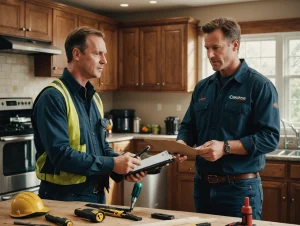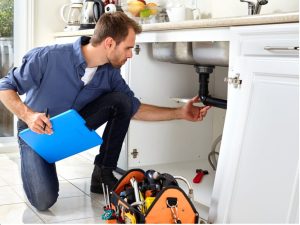

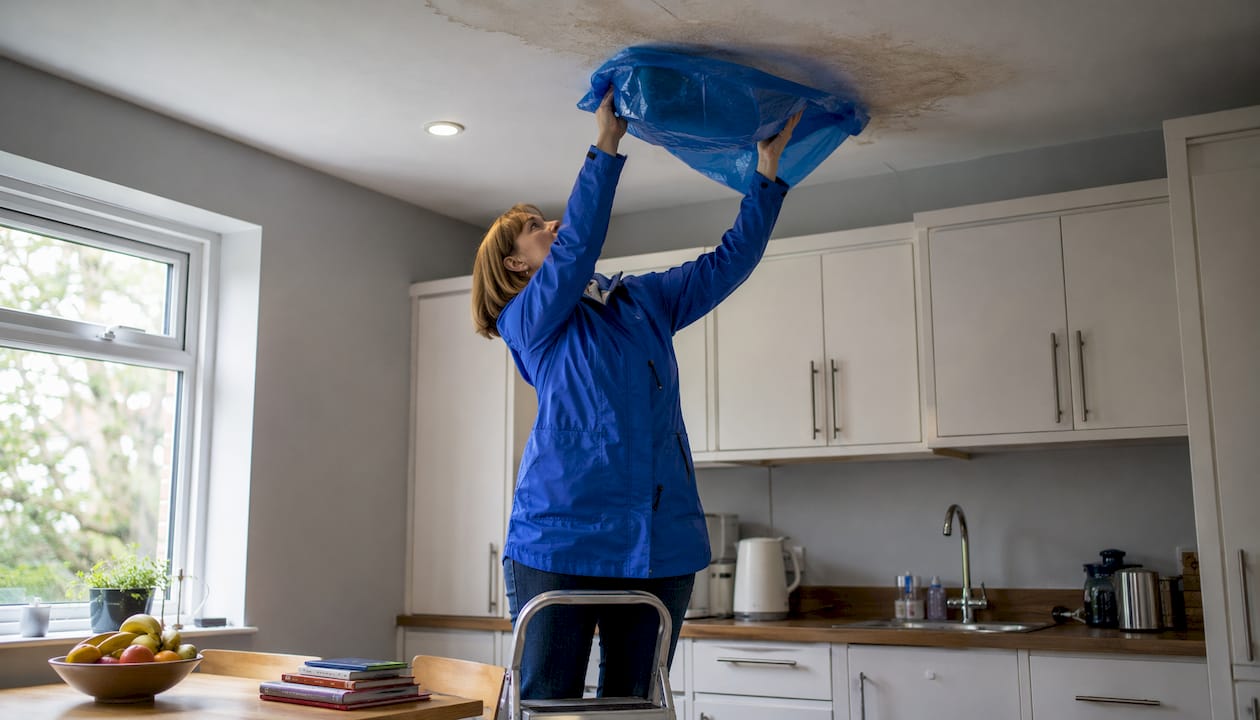
What should you do first in a roof leak emergency?

A roof leak emergency needs two things at once: immediate containment to limit damage, and a call to a professional who can get there fast. Across Ireland accredited emergency roofing services operate around the clock, seven days a week, with many aiming to reach your property within a few hours of contact.
While you wait, these steps will limit the damage:
- Place buckets, bowls, or towels under active drips to catch water before it spreads across floors
- Move furniture, electronics, and valuables away from the affected area
- If a ceiling is visibly bulging with trapped water, carefully pierce the lowest point to release it in a controlled way rather than risk a full collapse
- Switch off electricity at the consumer unit if water is near any fittings or wiring
- Take date-stamped photographs of drip sources, ceiling staining, and any belongings before you move them — this is critical for insurance purposes
- Do not attempt to access the roof yourself; Irish safety guidance, HSG33 explicitly advises against untrained roof access, particularly after storm damage
The reason professionals prioritise a rapid temporary fix over a full repair on the first visit is straightforward: stopping water ingress quickly prevents secondary damage to insulation, plasterwork, and structural timbers. A permanent repair almost always follows as a separate appointment once conditions are safer.
Pro Tip: When you call an emergency roofer, describe your roof type (pitched or flat), the interior location of the leak, and any visible damage such as missing tiles or cracked flashing. The more specific you are, the better equipped the roofer arrives, and the less likely you are to need a second call-out.
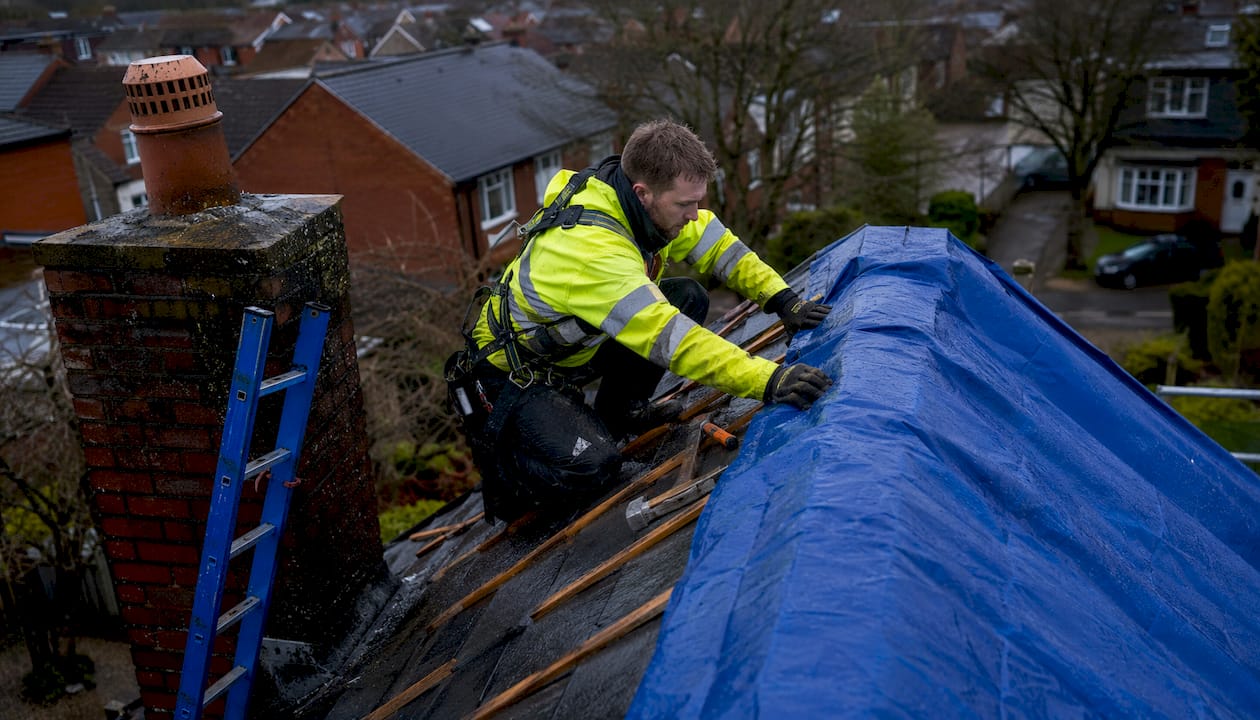
Table of Contents
- What types of emergency roof repairs are available in Ireland?
- How much does an emergency roof repair cost in Ireland?
- Why do homeowners trust emergency roofing services?
- How do you contact and prepare for an emergency roofer?
- How do you assess how serious a roof leak actually is?
- Which areas of Ireland do emergency roofing services cover?
- Find a verified emergency roofer through Workily
- Key takeaways
What types of emergency roof repairs are available in Ireland?
Emergency roofing services in Ireland cover a wider range of problems than most homeowners expect. The most common call-outs involve:
- Slipped or missing tiles on pitched roofs, which expose the felt underneath to wind and rain
- Failed lead flashing around chimneys, dormers, and roof junctions, where the seal has cracked or lifted
- Flat roof membrane damage, including splits, blisters, or punctures in felt, EPDM, or GRP surfaces
- Storm damage, such as ridge tiles blown off, fascia boards torn away, or debris impact
- Blocked or damaged guttering causing water to back up and penetrate the roof edge
The distinction between a temporary repair and a permanent one matters here. On an emergency call-out, a roofer’s first priority is to make the roof watertight using heavy-duty tarps secured professionally, temporary sealants, or by re-bedding a displaced tile. This is sometimes called a “make safe” visit. Emergency roofers focus on stopping water ingress rather than restoring the roof to its original condition — that comes later.
Signs that typically trigger an emergency call include water actively dripping into living spaces, a sagging or discoloured ceiling, visible daylight through the roof from the loft, or tiles scattered across the garden after a storm. Any of these warrants same-day attention rather than a scheduled appointment.
How much does an emergency roof repair cost in Ireland?
Costs vary considerably depending on the repair type, time of call-out, and your location. The table below reflects typical 2026 price ranges for common emergency repairs across Ireland.
| Repair type | Typical cost range |
|---|---|
| Minor leak fix or temporary seal | €150–€350 |
| Slipped or missing tile replacement | €150–€350 |
| Lead flashing repair | — |
| Storm damage (emergency make-safe) | — |
| Emergency call-out fee (out of hours) | Typically subject to additional charges depending on provider and region |
These figures come from current Irish pricing data and represent the repair cost alone. Call-out fees are typically charged on top, and out-of-hours or weekend work attracts a premium. Some contractors quote call-out fees of €150–€300 for evening or storm-period attendance, with total bills for storm damage occasionally reaching higher amounts depending on repair complexity and conditions.
Several factors push costs higher:
- Time of call-out: evenings, weekends, and bank holidays carry surcharges
- Roof access difficulty: steep pitches, multi-storey properties, or restricted access may require specialist equipment
- Regional variation: London and the South East generally have higher costs compared to other regions.
- Scaffolding: rarely needed for emergency visits, but complex access situations can add significant cost
The most effective way to keep costs down is early detection. A small leak caught quickly is a €150–€350 job. Left for weeks, the same leak can cause structural timber rot, mould, and ceiling collapse, turning a minor repair into a five-figure renovation. Annual roof inspections and clearing gutters before winter are the cheapest insurance you have.
On insurance: most Irish buildings policies cover sudden, storm-related damage but exclude gradual deterioration or wear and tear. Acting fast and documenting damage with timestamped photographs strengthens your claim considerably. If the leak developed slowly over months, your insurer may decline it.
Why do homeowners trust emergency roofing services?
Speed and clear communication are the two things homeowners consistently cite when a roof crisis goes well. When a roofer arrives within hours, explains exactly what has happened, and leaves the property watertight, the relief is immediate.
Workily’s platform connects homeowners with verified roofing professionals who have been vetted for qualifications, insurance, and track record. With a 98% satisfaction rate across more than 100,000 completed bookings, the platform’s vetting process is built around one principle: you should not have to gamble on who turns up when your ceiling is leaking.
What separates a reliable emergency roofer from a poor one is rarely technical skill alone. Transparency about what the first visit can and cannot achieve, a clear ETA communicated promptly, and honest pricing before work begins are the markers that distinguish professionals worth calling back. Reputation built on those qualities is what the best tradespeople in Ireland protect most carefully.
How do you contact and prepare for an emergency roofer?
Finding a trustworthy roofer quickly is the part that causes the most stress. Here is a straightforward sequence:
- Search for emergency roofers in your area using a verified platform rather than a random web search, which increases the chance of finding insured, qualified professionals
- Check that the roofer carries public liability insurance before agreeing to any work
- Ask for a written or messaged estimate before work begins, even for emergency call-outs
- Confirm the expected arrival time and ask them to call when they are 20 minutes away
Before the roofer arrives, do the following:
- Continue containing the leak with buckets and towels
- Clear the loft space if accessible, so the roofer can inspect from inside
- Photograph all visible damage, including ceiling staining and any debris on the ground outside
- Note the approximate location of the leak relative to fixed points (chimney, skylight, ridge)
Pro Tip: Tell the roofer whether your roof is pitched or flat, the interior room where the leak appears, and any recent events such as a storm or fallen branch. Providing these specifics means the roofer brings the right materials first time and avoids a wasted visit.
One safety point worth repeating: stay off the roof entirely. Falls from damaged roofs are a leading cause of serious injury in Ireland, and climbing up yourself also risks invalidating your insurance claim if further damage results. If water is near electrical fittings, treat it as a potential electrical hazard and contact a qualified electrician alongside the roofer.
How do you assess how serious a roof leak actually is?
Not every leak demands a 3 AM call-out. Knowing how to read the signs helps you decide whether to act immediately or arrange an urgent appointment for the following morning.
Treat the leak as a genuine emergency if any of these apply: water is dripping into living spaces rather than just the loft, the ceiling is sagging or showing a bulge, damp patches are spreading visibly within minutes, or water is anywhere near electrical fittings. These situations carry real risks of structural failure and electrical hazard.
A leak is serious but not necessarily a same-night emergency when it is a slow drip confined to the loft, the ceiling is stable and dry, and there is no electrical risk. You still need a roofer within 24–48 hours, because even a contained leak will saturate insulation and begin rotting timber if left beyond a few days.
The severity indicators that push a leak into the urgent category are: active water entry into habitable rooms, any sign of ceiling movement, and proximity to wiring. If you are unsure, call an emergency line and describe what you see. A reputable roofer will tell you honestly whether it needs immediate attendance or can wait until morning.
Which areas of Ireland do emergency roofing services cover?
Emergency roofing services operate across the whole of Ireland, including Dublin, Cork, Galway, and Northern Ireland. Coverage is densest in urban areas, where response times tend to be shortest, but most established emergency roofing companies serve rural locations too, with slightly longer travel times factored into their call-out fees.
In practice, the majority of Irish homeowners can expect a qualified emergency roofer to reach them within two to four hours of calling, depending on demand during storm periods. After major weather events, when call volumes spike, that window can extend. Booking through a platform with a broad network of verified tradespeople gives you access to the nearest available professional rather than waiting on a single contractor’s availability.
If you are in a remote or rural location, it is worth asking the roofer to confirm their service radius when you call. Some specialist emergency contractors cover a 50-mile radius from their base; others operate nationally through a network of local partners.
Find a verified emergency roofer through Workily
When a roof is leaking and every hour matters, the last thing you need is to scroll through unverified listings hoping someone picks up.

Workily connects you directly with vetted, insured roofing professionals available for same-day emergency bookings across Ireland. Every professional on the platform has passed a rigorous vetting process covering qualifications, insurance, and customer reviews, so you are not taking a chance on who arrives at your door. With a 98% satisfaction rate and over 100,000 completed bookings, the platform is built for exactly this situation: urgent, high-stakes, and no time to waste.
You can compare quotes, check availability in real time, and book a verified roofer without picking up the phone to a dozen different contractors. Book a verified roofer through Workily now and get your roof made safe today.
Key takeaways
A roof leak emergency in Ireland requires immediate containment, professional intervention within hours, and clear photographic documentation to protect both your property and your insurance claim.
| Point | Details |
|---|---|
| Act immediately | Contain water with buckets and towels, move valuables, and photograph all damage before touching anything. |
| Never access the roof yourself | Ireland safety guidance HSG33 prohibits untrained roof access; it is dangerous and can void your insurance. |
| Costs range widely | Emergency repair costs depend on severity, timing, and location. |
| Insurance covers sudden damage | Irish buildings policies cover storm and accidental damage but exclude gradual wear; act fast and document everything. |
| Workily for fast, verified help | Book a vetted, insured emergency roofer through Workily for same-day response across Ireland. |