
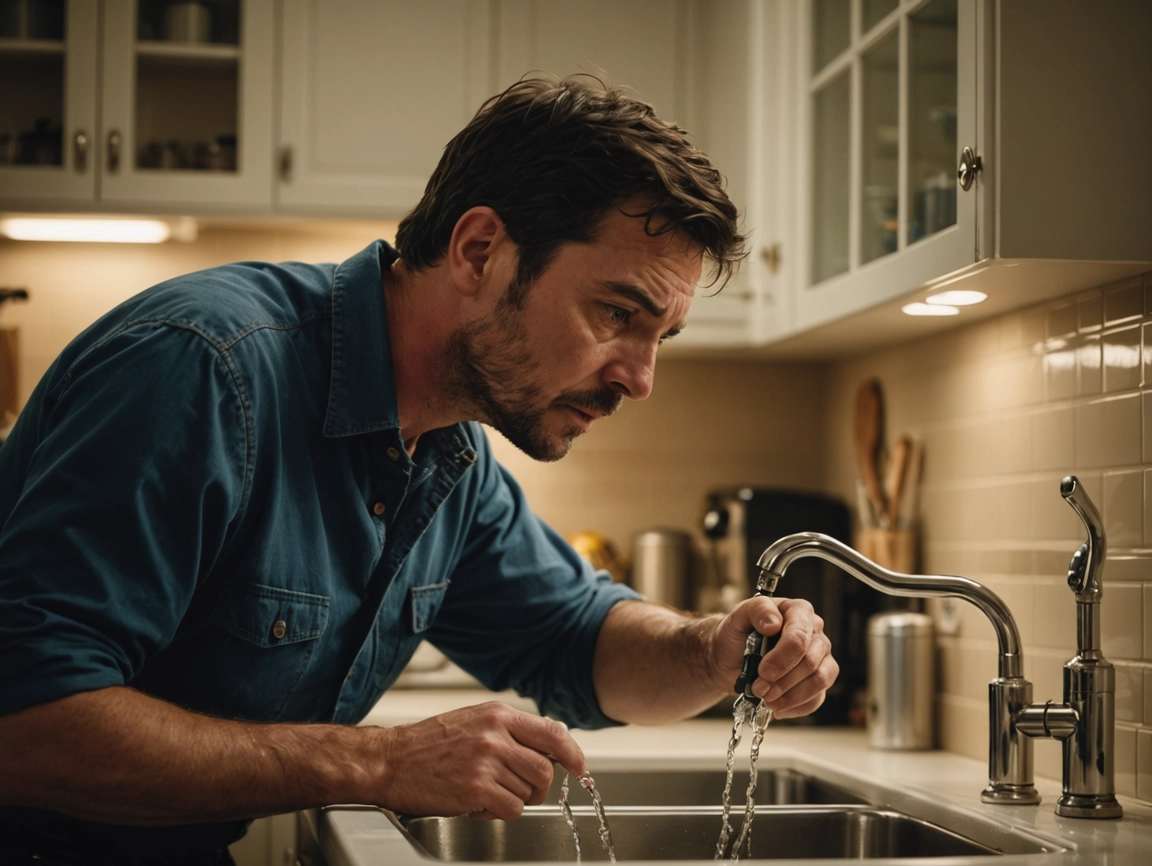
If you’ve ever stood in your kitchen staring at a dripping tap at 10pm, wondering “Is this going to cost me a fortune?” — you’re not alone. Plumbing issues rarely happen at convenient times, and for many homeowners (especially women managing a household), the uncertainty around cost can be just as stressful as the problem itself.
This guide breaks down exactly how much plumbers charge in Ireland, what affects the final price, and how to avoid surprises — based on real-world experience, not guesswork.
Average Plumber Costs in Ireland (Quick Overview)
While prices vary by location and urgency, these are realistic 2025 price ranges most Irish households encounter:
Standard call-out fee: €60 – €100
Hourly rate: €60 – €90 per hour
Emergency / after-hours call-out: €120 – €180
Small jobs (tap replacement, minor leak): €80 – €150
Medium jobs (toilet repair, blocked sink): €150 – €300
Larger jobs (cylinder issues, pipe replacement): €300+
What Actually Affects the Price? (And Why Quotes Can Vary)
Two plumbers can look at the same issue and quote different prices — and that doesn’t always mean one is overcharging.
Here’s what really influences cost.
1. Call-Out Fees (The Base Cost)
Most plumbers charge a call-out fee to cover travel time and initial assessment.
Urban areas (Dublin, Cork, Galway): often lower
Rural areas: may be higher due to distance
Some plumbers waive the fee if you proceed with the job
 Tip: Ask upfront if the call-out is separate or included in the job.
2. Emergency vs Standard Visits
If your issue happens:
at night
on a weekend
on a bank holiday
…you’ll almost always pay more.
Emergency plumbing isn’t just about inconvenience — it often means:
interrupted schedules
higher urgency
safety risks (leaks, flooding, heating failure)
That’s why emergency rates are typically 30–60% higher.
3. Parts & Materials (Often Overlooked)
Parts are usually charged separately, and costs depend on:
brand (budget vs premium fittings)
availability (same-day sourcing costs more)
whether custom parts are needed
A €20 valve might become €50 once sourcing time and VAT are included — that’s normal, not a red flag.
4. Travel & Location
Travel matters more than people realise.
If a plumber is:
travelling long distances
returning multiple times
working in difficult-access homes
…costs can increase.
This is especially relevant for rural homeowners or older properties.
5. Complexity of the Job
What looks “simple” can hide complications:
old pipework
non-standard fittings
previous poor repairs
tight access (behind units, under floors)
That’s why plumbers are often cautious with estimates until they see the issue.
Common Plumbing Jobs & Typical Costs
Here’s what many Irish homeowners actually pay:
| Job | Typical Cost |
|---|---|
| Replace a tap | €80 – €150 |
| Fix a leaking pipe | €100 – €250 |
| Unblock sink/toilet | €120 – €300 |
| Replace toilet cistern | €150 – €350 |
| Fix immersion heater | €120 – €250 |
| Emergency leak | €150 – €400+ |
Prices include labour, not always parts.
How to Avoid Overpaying (Without Being Awkward)
This is something many women mention — “I don’t want to seem difficult, but I also don’t want to be taken advantage of.”
You don’t need to negotiate aggressively. Just ask clear, calm questions:
“Is the call-out included if I proceed?”
“Is that price including VAT?”
“Are parts extra?”
“What could make this cost more?”
A professional plumber will answer confidently.
Should You Get Multiple Quotes?
For non-urgent work, yes — absolutely.
For emergencies, speed and reliability matter more than price alone.
Platforms like Workily make this easier by:
connecting you with verified local plumbers
showing clear service descriptions
avoiding awkward cold calls
helping you compare options without pressure
It’s particularly helpful if you’re managing things solo or don’t want back-and-forth phone calls.
Why “Cheap” Isn’t Always Cheaper
This comes up a lot.
The cheapest quote can sometimes mean:
rushed work
temporary fixes
no guarantee
repeat visits (and repeat costs)
A fair price from a verified professional usually saves money long-term — especially for plumbing, where mistakes can cause damage fast.
When to Call a Plumber Immediately
Don’t wait if you notice:
active leaks
loss of water or heating
water near electrics
overflowing toilets
unexplained drops in water pressure
Delaying can turn a €150 fix into a €1,500 repair.
Final Thoughts: Transparency Matters
Plumbing costs in Ireland aren’t mysterious — but they do depend on context.
When you understand:
what you’re paying for
why prices vary
what questions to ask
…you stay in control, even in stressful situations.
If you’re looking for a reliable plumber without the uncertainty, Workily helps you connect with trusted professionals locally — so you can focus on solving the problem, not worrying about the process.
Important: Many plumbers include the first 30–60 minutes in the call-out fee. Always ask.