
If something breaks after dark, call the right number, make the situation safe, and put it in writing before you do anything else. If there’s a real danger to life, ring 999 or 112 first. For a gas smell, burst pipe, or total loss of power or heat, ring the utility’s emergency line or your landlord’s out-of-hours number immediately, then follow up by email with photos and a timestamp within 24 hours.
TL;DR:
- Emergency repairs like gas leaks or burst pipes must be reported immediately and addressed within 24 hours, with proper documentation and follow-up in writing.
- Routine issues such as dripping taps or chipped tiles can wait up to 28 days for repair, but urgent problems like no heating in winter are considered emergencies.
- When calling emergency services, always get the operator’s name, call time, and reference number, and save all contact details and records in advance.
- Self-initiated temporary fixes are limited to safe actions like shutting off water valves or containing leaks, but never attempt gas appliance repairs or electrical work yourself.
- If landlords fail to respond after written notices, tenants can seek inspections from local authorities or dispute resolution through the RTB, with thorough documentation giving them a stronger case.
Table of Contents
- Immediate steps to take after hours: safety, containment and who to call first
- What counts as an emergency, urgent or routine repair?
- How to report an after-hours repair and build a paper trail
- What to do if your landlord fails to act
- Safe temporary fixes you can do yourself after hours
- Getting verified, same-day help through Workily
- Author perspective: the mistakes I see tenants make again and again
- Book a vetted tradesperson tonight, not next week
- Authoritative contacts and resources
- Sources
- FAQ
Immediate steps to take after hours: safety, containment and who to call first
Safety comes before property, every time. If you smell gas, hear a hissing sound, or suspect a leak, leave the property immediately, open windows on the way out if you can do it safely, and don’t switch anything electrical on or off. Call Gas Networks Ireland on 1800 20 50 50 from outside the building.
For anything short of that level of danger, work through this order:
- Life or safety at risk (fire, structural collapse, gas leak): call 999 or 112 first.
- Gas smell or suspected leak: call Gas Networks Ireland on 1800 20 50 50.
- Electrical fault, sparking, or power outage: call ESB Networks on 1800 372 999.
- Burst pipe, flooding, or water outage: call Irish Water on 1850 278 278.
- Anything else urgent inside your home: call your landlord or housing provider’s out-of-hours number, which should be on your tenancy agreement.
Pro Tip: Save all four numbers in your phone under “Emergency Repairs” tonight, not when you’re standing in a flooded kitchen at 11pm.
Whoever answers, get their name, the time of the call, and any reference number they give you. Utility providers typically run Incident Management Teams that coordinate temporary fixes and alternative supplies before a full repair, so don’t be surprised if the first response is containment rather than a finished job.
What counts as an emergency, urgent or routine repair?
Not every broken fitting is an emergency, and knowing the difference stops you wasting an out-of-hours call, or worse, sitting on a genuine one. Irish guidance on landlord repair obligations treats these as emergencies requiring action within 24 hours:
- A gas leak or suspected leak
- No heating at all during winter months
- A burst pipe or major water leak
- Structural collapse or serious risk to the building
- Total loss of hot water or electricity
Emergency repairs are expected to be addressed within 24 hours under this guidance. Urgent repairs, such as a broken lock, a faulty extractor fan, or an intermittent heating fault, usually get a response within 3 to 5 days. Routine repairs, like a dripping tap or a chipped tile, can reasonably take up to 28 days once you’ve given written notice.
The first fix you see is often a “make safe” measure, isolating a supply or capping a pipe, with the full repair scheduled for regular hours. That’s normal practice, not a landlord dragging their feet.

How to report an after-hours repair and build a paper trail
Phoning is step one, not the whole job. Follow this sequence every time:
- Call immediately if there’s danger, and insist on a reference number, plus the operator’s name and the time of the call.
- Follow up in writing within 24 hours. Email or text your landlord with the date, time, a clear description of the fault, and photos or a short video.
- Ask for written confirmation of what action will be taken and when.
- Keep everything: receipts, the contractor’s name and contact details, before-and-after photos, and copies of every message you send or receive.
Pro Tip: A timestamped photo taken the moment you spot the damage carries far more weight in a dispute than one taken days later. Tenants who document damage with dated photos and keep receipts for mitigation work put themselves in a much stronger position if a claim or dispute follows.
Written notice matters for another reason too: it’s the trigger that starts the clock on the response windows above, and it’s what the Residential Tenancies Board (RTB) will look for if the case ever reaches them.
What to do if your landlord fails to act
If you’ve given written notice and nothing happens, you have two formal routes, and both work far better when you’ve kept records.
Your local authority’s housing or environmental health section can inspect a rental property and, where standards aren’t met, issue a legally binding Improvement Notice or, in serious cases, a Prohibition Notice. Contact details are usually on your county or city council’s website.
The Residential Tenancies Board (RTB) runs a dispute resolution service specifically for landlord and tenant disagreements. The RTB can order repairs, award compensation, or apply a rent reduction where a landlord has fallen short of minimum standards.
Neither route works well without a written record. Before you contact either:
- Confirm you notified the landlord in writing and gave a reasonable window to respond.
- Gather your photos, messages, and any receipts for work you paid for yourself.
- Note every date: when you reported it, when (if at all) they replied, and when work was or wasn’t carried out.
Safe temporary fixes you can do yourself after hours
There’s a real difference between sensible damage control and something that could make things worse or land you a bill you can’t recover. Safe to do yourself:
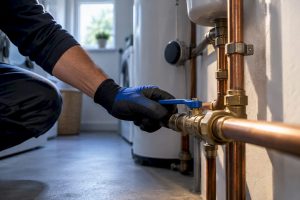
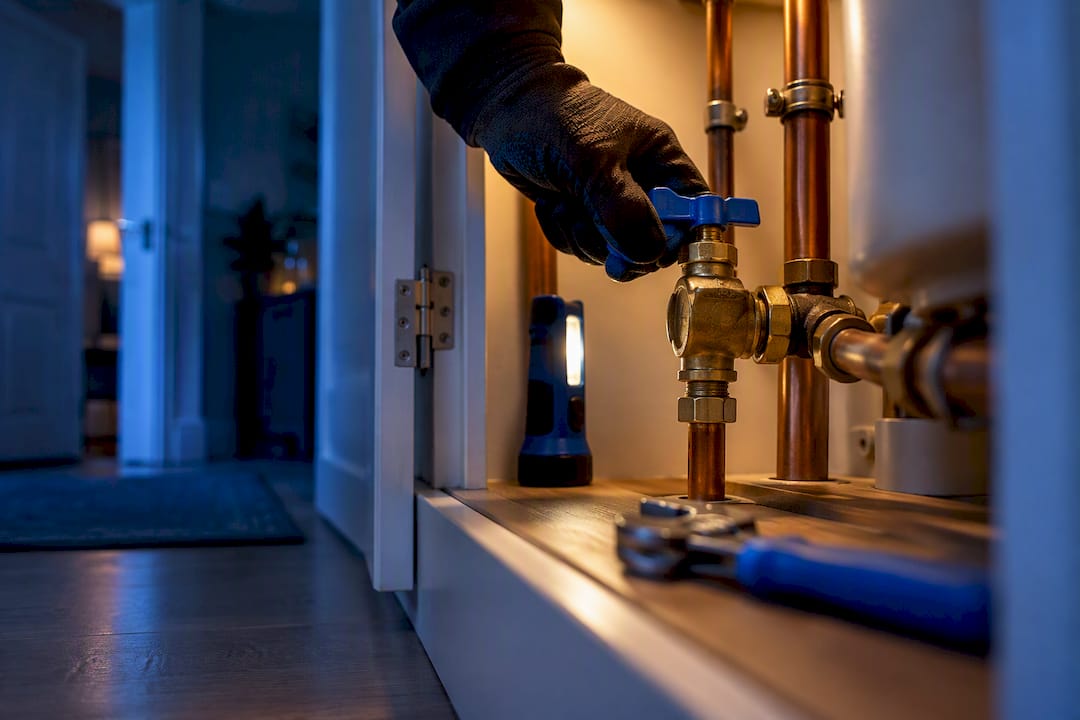
- Isolate a water valve under a sink or at the mains to stop a leak spreading.
- Use towels, buckets, or a mop to contain water damage until help arrives.
- Flip a tripped circuit breaker back on, but only if you’re confident it’s a simple trip and not a fault.
Pro Tip: Photograph the stopcock or fuse board before you touch anything. It proves what state things were in and helps whoever attends next.
Never touch a gas appliance yourself, and never attempt an electrical repair beyond flipping a switch. Call the utility or a qualified, insured electrician instead. If you end up paying for emergency work out of your own pocket, get written authorisation from your landlord first where at all possible, keep every receipt, and note that documenting and communicating before commissioning work protects your reimbursement rights far better than sorting it out after the fact.

Getting verified, same-day help through Workily
Sometimes the fastest path to a fixed problem isn’t waiting on a landlord’s out-of-hours line at all, it’s booking a vetted tradesperson directly. Workily’s instant booking connects you with verified professionals in real time, so you can search a category, check a pro’s profile and availability, confirm the booking, and pay securely, often the same day.
The process is straightforward: search for the trade you need (plumber, electrician, or general handyman), review a verified professional’s profile, confirm they’re free, then book and pay through the platform rather than handing over cash on the doorstep. Insisting on ID and insurance details before letting anyone into your home matters even in a genuine emergency, and keeping a screenshot of the pro’s Workily profile gives you a record if anything goes wrong. For more on how the vetting and booking flow works, the Workily blog covers it in detail.
Author perspective: the mistakes I see tenants make again and again
The biggest mistake isn’t calling too late, it’s acting without telling the landlord first, or paying a tradesperson before getting any confirmation in writing. Weak documentation sinks otherwise solid claims. Build three habits now: keep an emergency contacts list, photograph every issue the moment you spot it, and hold a simple folder, digital or paper, for every repair you report. None of that takes more than five minutes, and it’s the difference between a quick fix and a drawn-out dispute.
— Thomas
Book a vetted tradesperson tonight, not next week
Calling your landlord’s out-of-hours line is the right first move, but it doesn’t always get a plumber or electrician to your door fast. Workily is the alternative when you need someone verified on-site the same day rather than waiting on a callback: instant booking, background-checked professionals, and secure payment through the platform instead of cash in hand at 10pm.

Use it when the landlord route stalls, when you’re between tenancies and need work done quickly, or when you’d simply rather book a checked professional than gamble on whoever’s free. A callout like a boiler service or a same-day cleaning job may start at around €100 through Instant Pro, and if you need quick paid advice from an expert instead of a hands-on visit, sessions with vetted professionals across categories like home improvement or legal and financial typically start at moderate prices through Ask a Pro. If you’re unsure which route fits your situation, see how Workily’s vetting and booking process works before you book.
Authoritative contacts and resources
Keep these saved somewhere you can find them without hunting for a signal at midnight:
- Gas leak or smell: Gas Networks Ireland, 1800 20 50 50
- Electrical fault or outage: ESB Networks, 1800 372 999
- Water leak or supply issue: Irish Water, 1850 278 278
- Landlord dispute after written notice: RTB dispute resolution service
- Tenant rights and minimum standards guidance: Citizens Information
- Property inspection and enforcement: your local authority’s housing or environmental health section, contact details on your county or city council website
Sources
- Landlord repairs obligations — eSolicitors
- Minimum standards for rental properties — Residential Tenancies Board
- Gov
FAQ
What number do I call for after-hours emergencies in Dublin?
There’s no single citywide “out-of-hours repairs” number for Dublin City Council tenants; contact depends on the issue. For gas, electricity, or water emergencies, use the national utility emergency numbers: Gas Networks Ireland (1800 20 50 50), ESB Networks (1800 372 999), or Irish Water (1850 278 278). For a council housing repair, check your tenancy agreement or the council’s website for its specific out-of-hours line.
How long does a landlord have to fix a repair?
Emergency issues like gas leaks, burst pipes, or total loss of heating in winter should be addressed within 24 hours. Urgent repairs are generally handled in a few days, and routine repairs may take several weeks after you give written notice.
Are landlords or councils responsible for repairs?
Private landlords are legally responsible for keeping rental properties up to minimum standards, and local authorities can inspect properties and issue Improvement or Prohibition Notices where those standards aren’t met. For council or housing association tenancies, the housing body itself holds the repair obligation, with its own out-of-hours contact number.
What should I do if I smell gas at night?
Leave the property straight away, don’t switch any electrical switches on or off, and call Gas Networks Ireland on 1800 20 50 50 once you’re outside. Never assume someone else has already reported it.
Can I claim back money I spend on an emergency repair myself?
You can improve your chances of reimbursement by getting written authorisation from your landlord before commissioning work, then keeping every receipt and photograph. Documenting and communicating before the work starts, rather than after, is what protects your position if you need to make a claim.
What can I do myself before help arrives?
Isolating a water valve, using towels or buckets to contain a leak, and resetting a tripped circuit breaker (only if you’re confident it’s a simple trip) are reasonable and safe. Never attempt gas appliance work or electrical repairs yourself; call the relevant utility or a qualified electrician instead.
What happens if my landlord ignores my repair request?
Once you’ve given written notice and allowed a reasonable response time, you can ask your local authority to inspect the property or lodge a dispute with the RTB, which can order repairs, award compensation, or apply a rent reduction. Keeping dated photos, messages, and receipts significantly strengthens either route.