

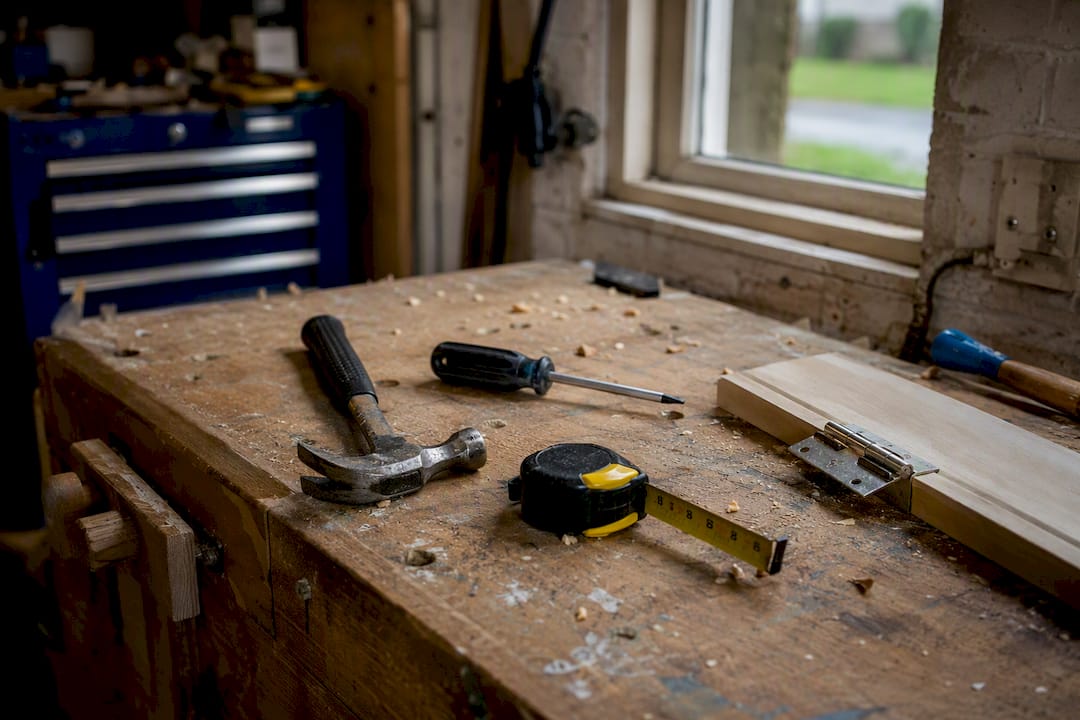
Expect to pay a moderate hourly rate for a general handyman in Ireland, with higher rates in Dublin and lower rates in rural counties. Most handymen also charge a minimum or call-out fee that covers the first hour or the visit itself regardless of how quick the job is. Many small jobs, like hanging a shelf or fixing a dripping tap, get quoted as a flat price rather than by the hour.
- Check the minimum fee before booking, not after
- Ask for a written quote covering labour, materials and any call-out charge
- Batch two or three small jobs into one visit to avoid paying that call-out fee twice
The single best money-saving move: batching. If you’ve got a wobbly door hinge, a leaking tap and a shelf to hang, booking them together in one visit means you pay one call-out fee instead of three.
Key Takeaways
Handyman rates in Ireland typically run €35 to €60 an hour, with a minimum call-out fee of €50 to €90 and flat rates common for predictable small jobs.
| Point | Details |
|---|---|
| Hourly rates vary by region | Expect €35 to €60 an hour, with Dublin and other cities toward the top of that range. |
| Minimum fees apply | Most handymen charge €50 to €90 as a call-out or minimum charge, regardless of job length. |
| Flat rates suit small jobs | Shelves, flat-pack assembly and tap repairs are usually quoted as a fixed price, not hourly. |
| Batching saves money | Grouping several small tasks into one visit avoids paying the minimum fee more than once. |
| Compare vetted pros | Use Workily to request quotes from verified local handymen and compare pricing before booking. |
Table of Contents
- What are typical handyman hourly rates in Ireland?
- How much do common small jobs cost?
- Why do two quotes for the same job differ so much?
- How do you budget and get an accurate quote?
- When should you hire a specialist instead of a handyman?
- Why the cheapest hourly rate can cost you more
- Book a vetted handyman without the back-and-forth
- Frequently asked questions
- Sources
What are typical handyman hourly rates in Ireland?
Handymen in Ireland generally use one of three pricing structures, and which one applies to your job affects how the final bill lands. Hourly pricing suits jobs where nobody quite knows how long they’ll take until someone’s hands are actually on the problem. Think troubleshooting a squeaky floor, chasing an intermittent electrical fault in a socket, or fixing a door that’s been sticking for months and might need planing, rehanging, or both.
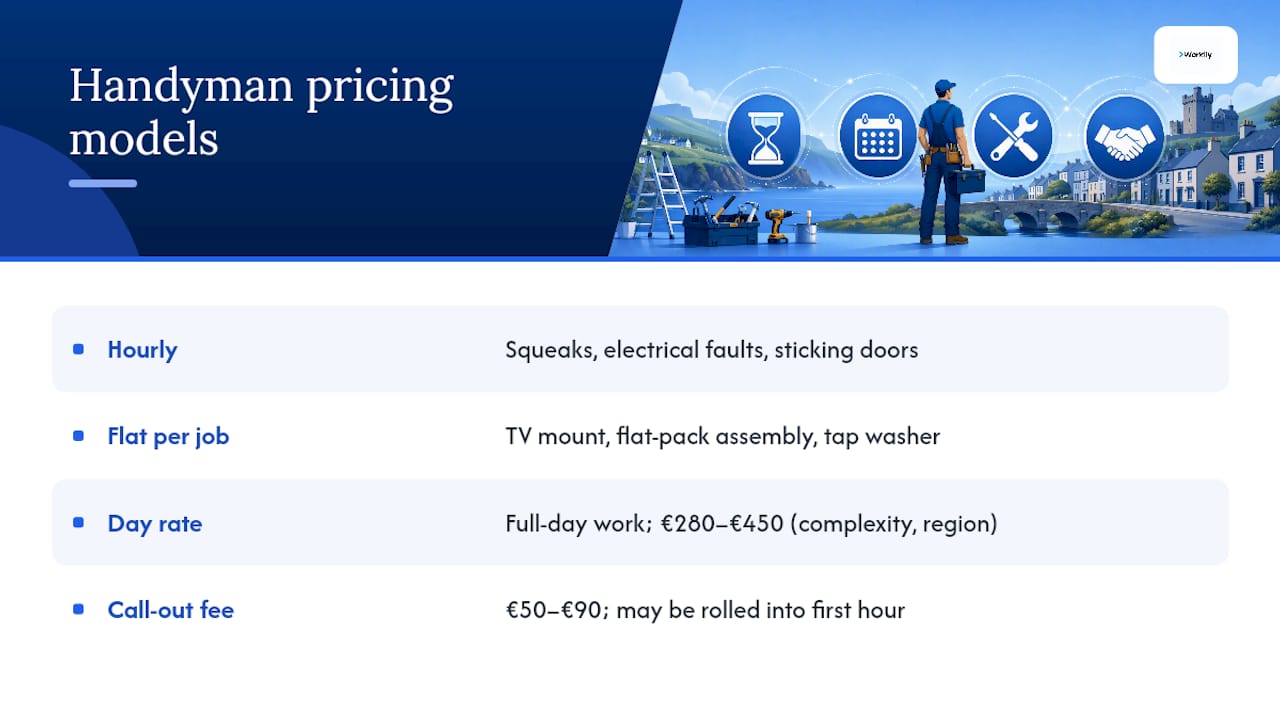
Flat per-job pricing works better for repeatable tasks with a known scope. Mounting a TV bracket, assembling flat-pack furniture, or replacing a tap washer takes roughly the same time on every job, so a fixed price protects both sides from surprises. Industry pricing guides recommend this mix precisely because it matches the pricing model to the predictability of the work.
For bigger jobs spanning a full day or more, such as fitting several doors or a run of shelving through a house, many tradespeople switch to a day rate rather than tallying hours. This typically runs from €280 to €450 depending on the complexity and region.
Then there’s the minimum or call-out fee, which exists because a tradesperson still has to travel, park, unload tools and set up even for a five-minute job. Expect €50 to €90 as the standard range, sometimes rolled into the first hour’s labour rather than charged separately.
Pro Tip: If you’ve got more than one small task on your list, mention all of them when you first call. A handyman who knows they’re doing three jobs in one visit will often shave a bit off the total rather than charge three separate minimums.
How much do common small jobs cost?
Sample prices vary by region and by the handyman’s own overheads, but these ranges give you a realistic starting point for budgeting:
- Flat-pack furniture assembly: €40 to €80 per item, usually flat rate
- Hanging shelves (2 to 3 units): €50 to €100, flat rate
- Fixing a leaking or dripping tap: €60 to €120, often flat rate unless parts need sourcing
- Mounting a TV on the wall: €70 to €130, flat rate, bracket usually extra
- Small painting job (one room, touch-ups): €150 to €350, depending on wall area and prep needed
- Replacing door hinges or handles: €40 to €90 per door, flat rate
Materials are usually billed on top of these figures unless the quote explicitly says “materials included.” A tap washer costs a few euros, but a full mixer tap replacement could add €40 to €150 depending on the fitting you choose.
Older properties throw up complications that push prices above these ranges. A period house with solid walls, awkward attic access, or wiring nobody’s touched since the 1980s takes longer to work on than a new-build with easy access. For anything involving more than one task or an unclear scope, ask for a written quote before work starts rather than relying on a verbal estimate.
Why do two quotes for the same job differ so much?
Two handymen can look at the identical job and come back with wildly different numbers, and it’s rarely random. A few factors do most of the work here.
Experience and skill level matter first. A tradesperson who’s fitted two hundred kitchen cabinets works faster and makes fewer mistakes than someone on their tenth. Insurance and certification add cost too, but they’re what protects you if something goes wrong. Travel and access count: a job on the third floor of an apartment block with no lift takes longer than the same job in a bungalow. Job complexity and hidden conditions, like rot behind a skirting board nobody could see until it was removed, change the scope mid-job. Materials and mark-ups vary depending on where a tradesperson sources parts. And demand and seasonality push prices up, since everyone wants gutters cleared in November and gardens sorted in April.
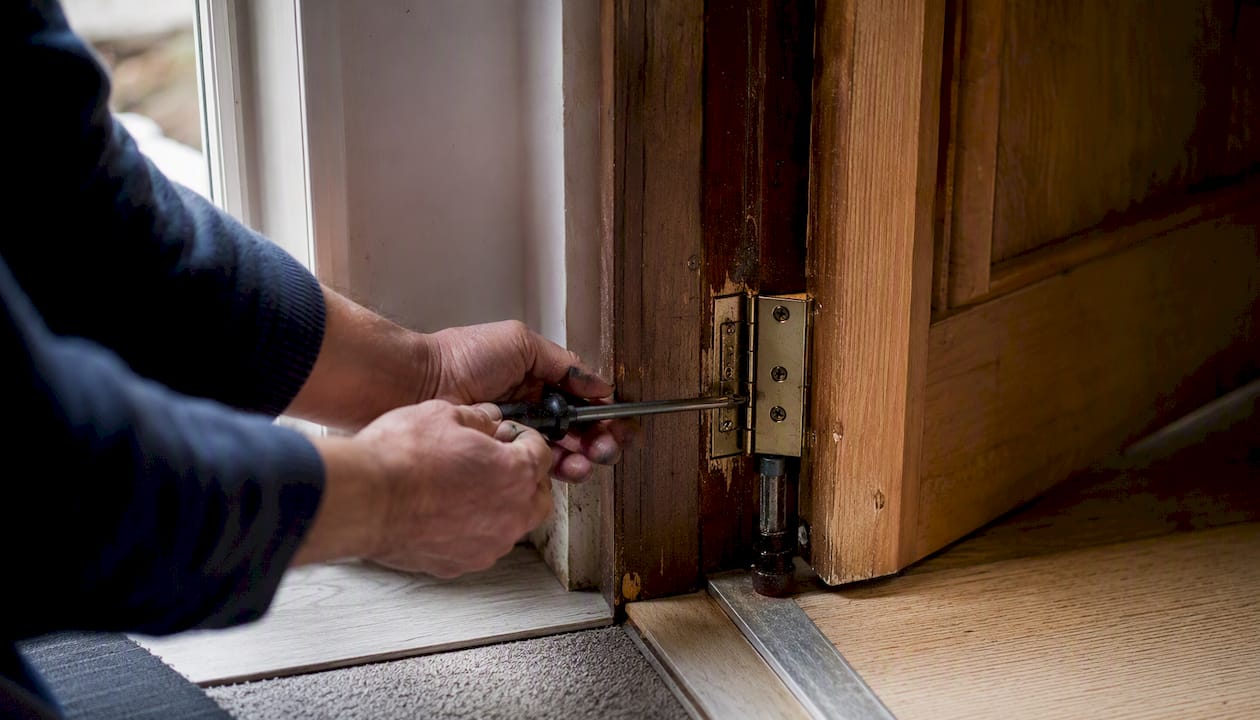
Regional pricing research shows just how wide the spread can be once you factor in location and local demand, which is exactly why the same job can cost noticeably more in a city centre than a smaller town twenty minutes away.
How do you budget and get an accurate quote?
Getting a quote you can actually compare against another one starts before you make the call.
- Describe the job clearly in writing, including what needs doing and any deadline.
- Take photos of the area, especially if there’s damage, awkward access, or existing fittings involved.
- Note access issues such as stairs, parking restrictions, or times you’re not available.
- Ask for a written quote rather than a verbal figure, so you have something to refer back to.
When you’re on the phone or exchanging messages, ask every handyman the same set of questions: are you insured, can you provide references, do you carry ID, is there a guarantee on the work, how are materials charged, and will I get a proper invoice. Written quotes and insurance checks come up repeatedly in consumer guidance for good reason. No written quote, cash-only insistence, or no answer on insurance are all red flags worth walking away from.
Compare quotes on scope, not just the bottom-line number. Check whether materials, minimums and travel are included in each figure. To save money without cutting corners, batch jobs into one visit, agree a fixed price for predictable tasks, and ask about midweek or off-peak scheduling if your job isn’t urgent.
Pro Tip: Save every quote you receive, even the ones you don’t take. Six months later, when you need another small job done, you’ll already have a benchmark for what’s reasonable.
When should you hire a specialist instead of a handyman?
A general handyman is the right call for shelves, taps, painting and flat-pack furniture, but some jobs need a licensed specialist, not a generalist with a toolbox.
- Gas work of any kind, including boiler servicing or pipework
- Major electrical work, such as rewiring or consumer unit changes
- Structural alterations, including removing walls or altering load-bearing elements
- Complex drainage, roofing, or anything requiring building control sign-off
These jobs need certified professionals for legal and safety reasons, not just quality ones. Ask any handyman upfront which of these they won’t take on, and get that in writing alongside the quote for what they will do.
Why the cheapest hourly rate can cost you more
Consumer guidance from Citizens Information warns against choosing purely on the lowest hourly figure, and the logic holds up: an experienced, insured tradesperson often finishes a job in half the time a less experienced one needs, with far fewer call-backs to fix mistakes.
A handyman charging €55 an hour who finishes a job in two hours costs less overall than one charging €40 an hour who takes four hours and leaves a loose fitting behind.
Pro Tip: Before comparing two quotes, ask each tradesperson for a rough time estimate, then multiply it out — as Handyman Services in Long Beach & Orange County illustrate why the lowest hourly rate can be a false economy. The hourly figure alone tells you almost nothing about the final bill.
One thing worth remembering before you book
Favour a vetted, insured professional over the lowest quote, and batch your small jobs whenever you can. If you’re not sure who to trust, comparing verified local pros through Workily takes the guesswork out of it.
Book a vetted handyman without the back-and-forth
Comparing quotes over the phone or through classified ads eats up time you probably don’t have, and you’re taking the tradesperson’s word for their insurance and reviews. Workily removes that guesswork by showing you verified professionals with real reviews before you commit to anyone.

Through Workily, you can request quotes from several local handymen at once, book instantly when a job can’t wait, or ask a quick question through a paid video consultation before deciding whether you even need a specialist. Every professional on the platform goes through a vetting process, so you’re not relying on a stranger’s word for their credentials, and you can see how previous jobs went before you agree to anything.
If your list of small jobs is starting to add up, whether it’s a leaking tap, a wobbly shelf, or a door that won’t close properly, book a professional through Workily and get a written quote before anyone picks up a tool.
Still unsure? Ask a verified professional for personalised advice. Need someone to do it instead? Book a trusted professional in your area through Workily.
Frequently asked questions
What is the average handyman hourly rate in Ireland?
Most handymen charge between €35 and €60 an hour, with rates in Dublin and other cities typically at the higher end due to demand and overheads.
Do handymen charge a call-out fee?
Yes, most charge a minimum or call-out fee of €50 to €90, which covers travel and setup regardless of how quickly the job is done.
Is it cheaper to get a flat rate or hourly rate?
It depends on the job. Flat rates suit predictable tasks like assembling furniture, while hourly rates make more sense for jobs where the scope is uncertain, like troubleshooting.
How can I save money on handyman costs?
Batch several small jobs into one visit to avoid paying multiple call-out fees, get a written quote before work starts, and ask about midweek availability if the job isn’t urgent.
Should I always choose the cheapest quote?
Not necessarily. An experienced, insured handyman may finish faster and with fewer mistakes than someone charging less per hour, which can work out cheaper overall.
What should I ask a handyman before booking?
Ask about insurance, references, ID, whether they provide a guarantee, how materials are charged, and whether you’ll receive a written invoice.
When should I hire a specialist instead of a handyman?
For gas work, major electrical work, structural changes, or complex drainage and roofing, hire a licensed tradesperson rather than a general handyman.
How do I get an accurate quote?
Describe the job clearly, take photos, note any access issues, and ask for a written quote rather than relying on a verbal estimate over the phone.
Sources
- Handyman price guide 2026: hourly rates & how to set prices — Housecall Pro
- Handyman hourly rate by state (2026 pricing guide) — ProTradeOps