

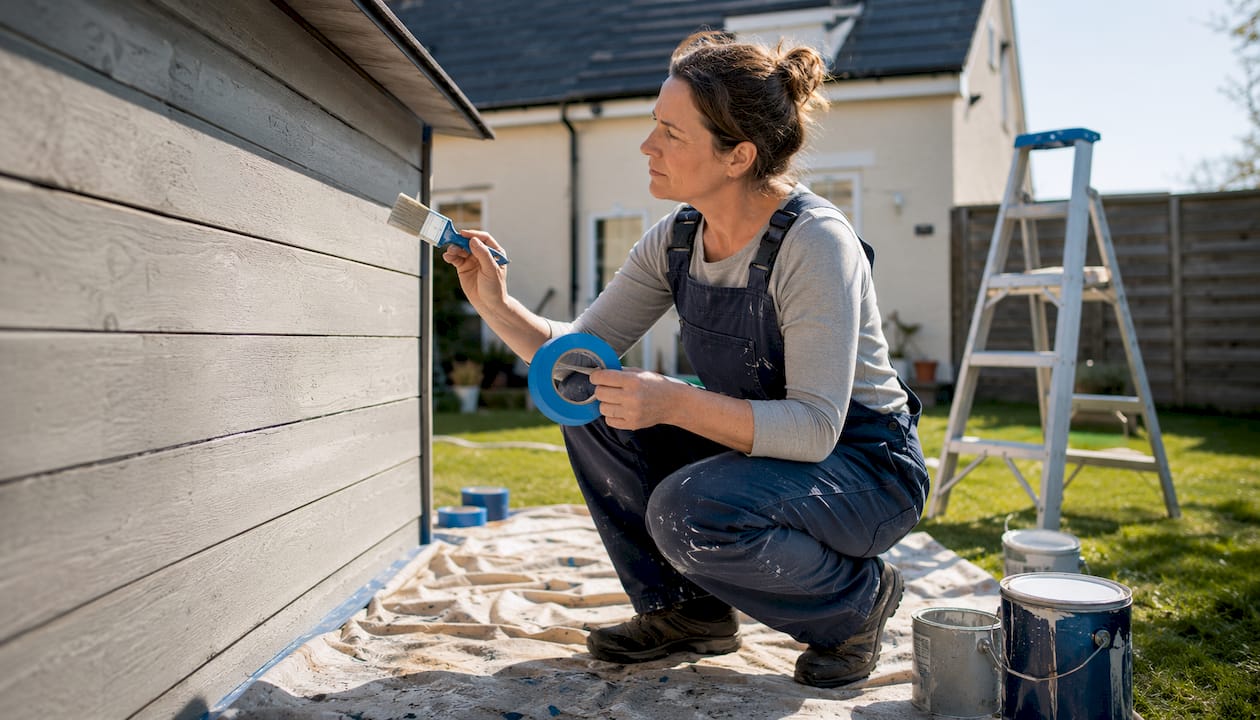
A professionally painted room is, above all, a preparation job. Professional decorators report that the majority of a project’s time—often 60–70%—is spent on cleaning, filling, sanding and priming, not on applying the topcoat. When you hire a verified painter, you should expect a site visit, a written itemised quote covering surface assessment, prep steps, labour, materials and timeline, and a systematic sequence: ceiling first, then walls, then woodwork.
Before you book anyone, run through this quick checklist:
- Get a written, itemised quote that lists every preparation step by name
- Confirm the painter carries public liability insurance and can provide trade references
- Ask which paint brand they intend to use and how many coats are included
- Check that a mist coat is listed if any plaster is new or recently repaired
- Request before-and-after photos or a portfolio from comparable jobs
Pro Tip: Ask for the quote in writing before any work starts. A well-written, itemised quote with preparation steps shown is one of the strongest trust signals a decorator can give you.
Table of Contents
- How do you paint a room, step by step?
- What surface preparation actually involves
- How to compare quotes and choose the right painter
- What drives the cost and timeline in Ireland
- How to prepare your home before painters arrive
- What to check at handover and how aftercare works
- Key takeaways
- When hiring a professional is the right call
- Find a verified painter in Ireland through Workily
- Useful sources
How do you paint a room, step by step?
A professional job follows a fixed sequence, and understanding it helps you read a quote critically.
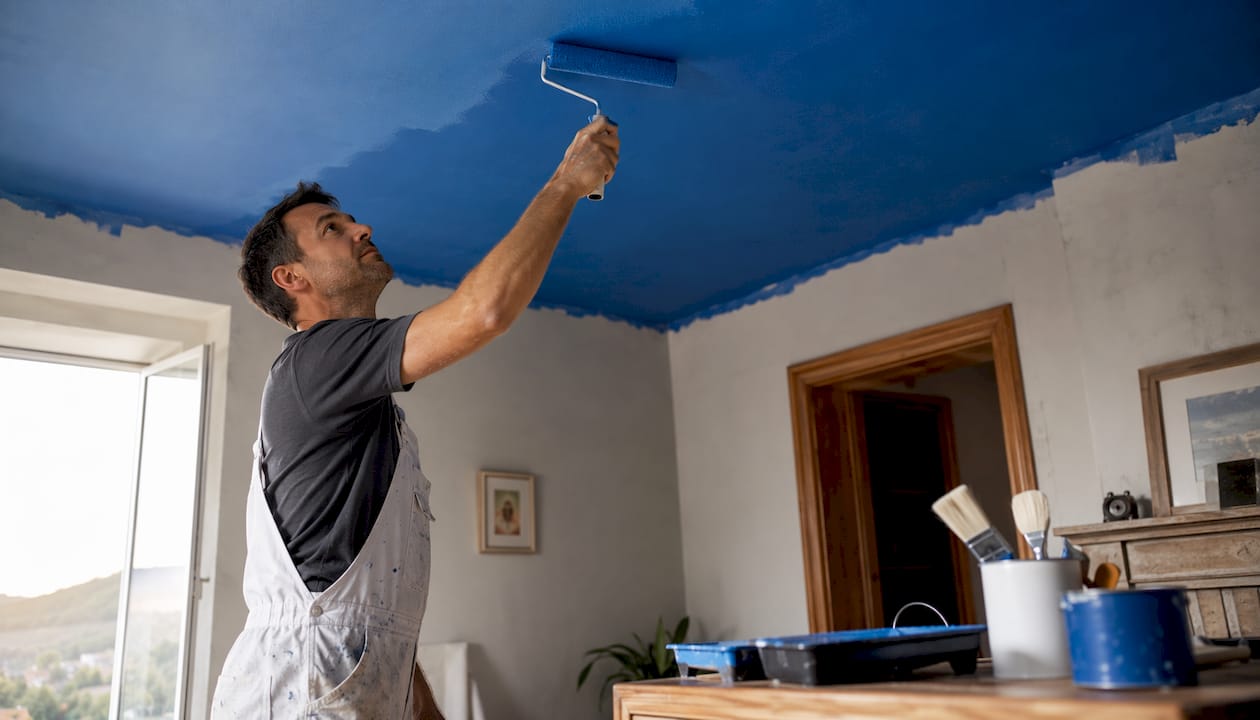
Consultation and site assessment. A proper site visit is non-negotiable. Photos rarely reveal damp, failed plaster, or structural repairs that change the scope and cost. Any decorator quoting from photos alone is guessing.
Preparation and repair. This is where most of the time goes. Professional decorators report that the majority of a project’s time is spent on cleaning, filling, sanding and priming, not on applying the topcoat. Rushing this phase is the single most common reason a paint job looks tired within a year.
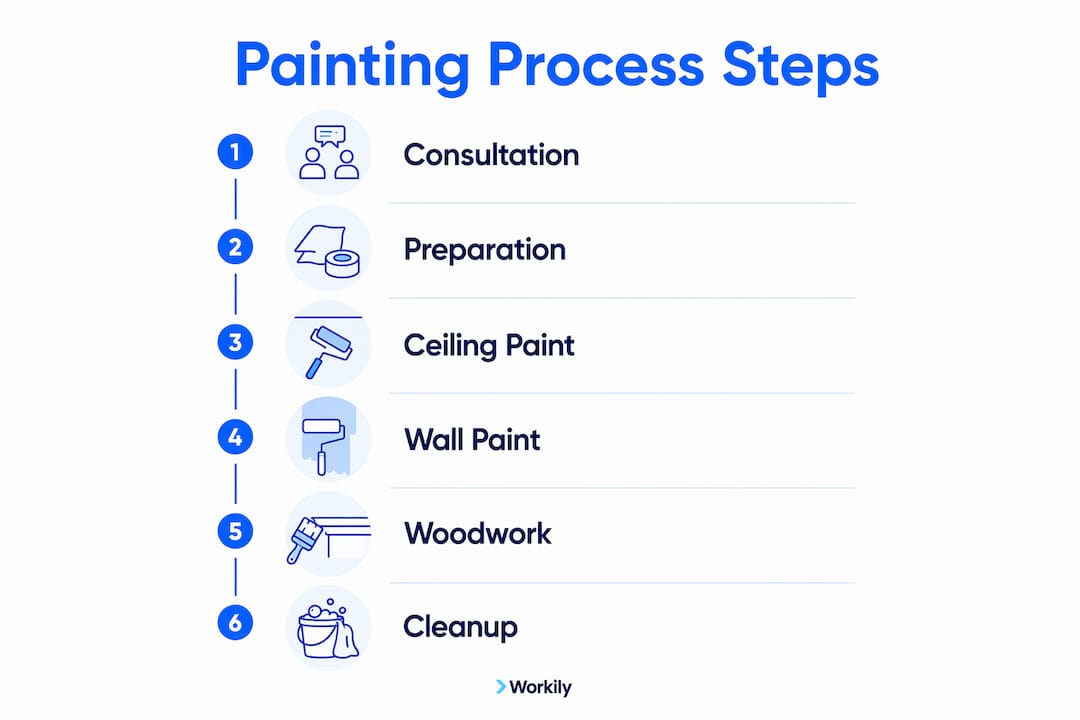
Painting sequence. Ceiling first, then walls, then woodwork. Each stage can cover minor imperfections from the previous one, which reduces rework. Painting woodwork before walls, for instance, almost guarantees you will need to touch up skirting boards after rolling.
Typical timelines by room size:
| Room size | Approximate duration |
|---|---|
| Medium room (around 18m²) | one to two days |
These figures assume standard prep. Damp repairs, blown plaster, or nicotine staining add time.
Pro Tip: A small to medium room including prep and clean-up typically takes one to two days for a professional team. If a quote promises a large room in a single day, ask what preparation is being skipped.
What surface preparation actually involves
Preparation is where quotes diverge most sharply, and where corners are most easily cut.
A reputable painter’s prep checklist should include:
- Washing all surfaces with sugar soap to remove grease, cooking residue and dust
- Filling cracks and holes with appropriate filler (flexible caulk for hairline cracks at junctions, setting compound for larger voids)
- Sanding filled areas flush, then wiping down with a damp cloth
- Applying a mist coat on any new or recently patched plaster (emulsion diluted roughly 10–20% with water)
- Sealing damp repairs and stain-blocking nicotine or water marks before priming
- Spot-priming bare patches to prevent flashing (visible sheen variation in the finish coat)
Some problems only become visible once the room is cleared and the light is right. Wall damage such as damp patches or blown plaster can materially change the scope of a job and should be identified during the site visit, not discovered mid-project.
A mist coat over fresh or patched plaster is effectively non-negotiable. Standard emulsion applied directly to new plaster seals the surface unevenly and pulls away as the plaster cures. Reputable decorators list this step explicitly on the quote rather than leaving it implied.
Warning signs to watch for:
- A quote that describes preparation only as “prep work” with no further detail
- No mention of primer or mist coat on a room with new plaster
- A decorator who quotes without visiting the site in person
- No reference to stain-blocking on a room with visible water marks or a history of smoking
How to compare quotes and choose the right painter
Price is the least useful number on a quote. Two quotes for the same room can differ by hundreds of pounds because one includes thorough preparation and two coats of a trade emulsion, while the other budgets for a single coat of a budget product over unwashed walls.
Compare quotes line by line on these criteria:
| Criterion | What to look for |
|---|---|
| Scope of preparation | Named steps (cleaning, filling, sanding, priming) |
| Paint brand and grade | Trade emulsion vs. budget retail product |
| Number of coats | Minimum two coats as standard |
| Guarantees | Written commitment to remedy faults within a set period |
| Insurance | Public liability cover confirmed in writing |
| Payment schedule | Deposit of 10–20%, staged payments tied to milestones |
Questions to ask at the consultation:
- Will you visit the site before quoting, or is this a remote estimate?
- Which paint brand and product will you use, and why?
- How many coats are included, and is a mist coat listed for the new plaster?
- What preparation steps are covered in this price?
- Can you provide proof of insurance and two recent trade references?
Red flags that indicate a poor candidate:
- Demanding full payment before work starts. Standard practice is a modest deposit of 10–20% with staged payments
- No written scope of work, just a verbal price
- A day rate significantly below the regional average with no explanation
- Reluctance to provide references or portfolio photos
Pro Tip: Ask specifically about interior door finishes and the number of coats on woodwork. Doors take more wear than walls and often need a more durable finish than a standard emulsion.
What drives the cost and timeline in Ireland
Labour is the main variable. Preparation intensity, not paint quantity, determines how long a job takes and therefore what it costs.
Key cost drivers:
- Prep intensity: heavy filling, damp repairs or stain-blocking add significant time
- Paint quality: trade emulsions cost more per litre but cover more area per coat
- Remedial repairs: blown plaster or structural cracks require specialist work before painting begins
- Access: high ceilings or stairwells may require additional equipment
- Regional variation: rates in Dublin tend to run higher than rural areas
For cost context, painting a medium room of around 18m² in the UK typically averages around €450, with an average painter day rate of approximately €325. These figures vary by region and prep requirements. Trade price guidance for 2026 puts a bedroom paint job in the range of €250–€450, with labour as the primary variable.
Irish rates follow a broadly similar pattern, though direct sterling comparisons should be treated as indicative rather than exact.
How to prepare your home before painters arrive
A little preparation on your part saves time and reduces the risk of accidental damage.
- Remove fragile items, ornaments and wall art before the team arrives
- Move furniture to the centre of the room or out entirely if the room is small
- Lift or roll back rugs; confirm with the painter whether they will lay dust sheets on hard floors
- Ensure windows can be opened for ventilation throughout the job
- Arrange clear parking near the property for the decorator’s vehicle and materials
- Leave a set of keys or confirm access arrangements the day before
On the day itself, mark any areas of particular concern (a patch of damp, a crack you want addressed) with a sticky note so nothing is missed. Keep pets and children away from freshly painted surfaces and from rooms where solvent-based products are in use.
Pro Tip: Good ventilation speeds drying and reduces fume build-up. Open windows on opposite sides of the room to create a cross-draught, but avoid a direct draught across wet paint, which can cause uneven drying.
What to check at handover and how aftercare works
Once the final coat is dry, walk the room with the painter before signing off.
Final inspection checklist:
- Edges at ceiling junctions and skirting boards: clean, straight lines with no brush marks bleeding onto adjacent surfaces
- Consistent sheen across the full wall area, no patchy or flashing sections
- Woodwork: even coverage with no drips, runs or missed areas on mouldings
- All masking tape removed and no residue left on fittings or glass
Aftercare points to confirm in writing:
- Touch-up paint: the decorator should leave a small quantity of the exact product used
- Cure time: most emulsions reach full hardness after 2–4 weeks; avoid scrubbing walls before then
- Cleaning advice: washable matt or eggshell finishes can be wiped with a damp cloth; standard matt cannot
Common faults and their causes:
- Peeling: usually caused by painting over a contaminated or damp surface, or applying a second coat before the first was fully dry
- Patchiness: often a sign that a mist coat was skipped on new plaster, or that only one coat was applied
- Brush marks in woodwork: typically the result of using the wrong brush or applying paint that was too thick
A reputable tradesperson will return to remedy any fault that falls within the agreed guarantee period without additional charge.
Key takeaways
A professional paint job is primarily a preparation process: the quality of the finish depends almost entirely on what happens before the first coat goes on.
| Point | Details |
|---|---|
| Preparation dominates the timeline | Professionals spend 60–70% of project time on cleaning, filling, sanding and priming. |
| Insist on a written itemised quote | The quote must name every preparation step, paint brand, number of coats and payment schedule. |
| Check insurance and references | Confirm public liability cover and ask for two recent trade references before booking. |
| Payment terms matter | A deposit of 10–20% with staged payments is standard; full upfront payment is a red flag. |
| Book through Workily | Workily connects you with verified painters in Ireland, with instant booking and itemised quotes. |
When hiring a professional is the right call
There is a reasonable case for DIY on small, low-stakes jobs: a single accent wall in good condition, touching up scuffs on painted woodwork, or refreshing a bathroom with a washable emulsion. The tools are affordable, the technique is learnable, and the risk of a poor outcome is contained.
The calculation shifts quickly once preparation becomes complex. Damp repairs, blown plaster, nicotine staining, or a room with intricate cornicing are jobs where a professional’s experience pays for itself in the quality of the result and the time saved. The same applies to any commercial property where the finish reflects directly on the business.
What the platform provides matters here too. Verified trades, written quotes, customer satisfaction records and the ability to compare scope rather than just price are the tools that make hiring less of a gamble. Workily’s 98% satisfaction rate across more than 100,000 customers reflects what happens when the vetting is done before the booking, not after something goes wrong.
Find a verified painter in Ireland through Workily
Workily gives Irish homeowners and business owners a faster, lower-risk route to a quality paint job. Every painter on the platform has been through a rigorous vetting process, so you are comparing verified professionals rather than hoping a cold call works out.

The platform offers three clear routes depending on where you are in the process. If you have a question before committing, ask a professional for advice at no obligation. When you are ready to hire, use instant booking to connect with an available painter, sometimes the same day. If your project needs a detailed scope first, request a quote and compare itemised proposals side by side. All bookings are secured through the platform with safe online payment and backed by Workily’s satisfaction guarantee.
Useful sources
-
Hiring painters and decorators in the UK | BookaBuilderUK — covers what to expect from a professional consultation, what a written quote should include, and the correct painting sequence. Good starting point for anyone hiring for the first time.
-
Painting and decorating cost breakdown | Checkatrade — sourced cost figures for room sizes and day rates, with notes on regional variation and how preparation affects the final price.
-
Painter and decorator costs 2026 | WhatToCharge — trade price guidance including day rate ranges and typical bedroom job costs; useful for benchmarking quotes.
-
How to choose a painter and decorator | PaintersDecoratorsAround — detailed hiring checklist covering red flags, payment terms, questions to ask, and why a site visit is non-negotiable.
-
How to paint a room | Greengaffer — practical explanation of mist coating and why it is required on new or patched plaster; useful technical background for reading quotes critically.