

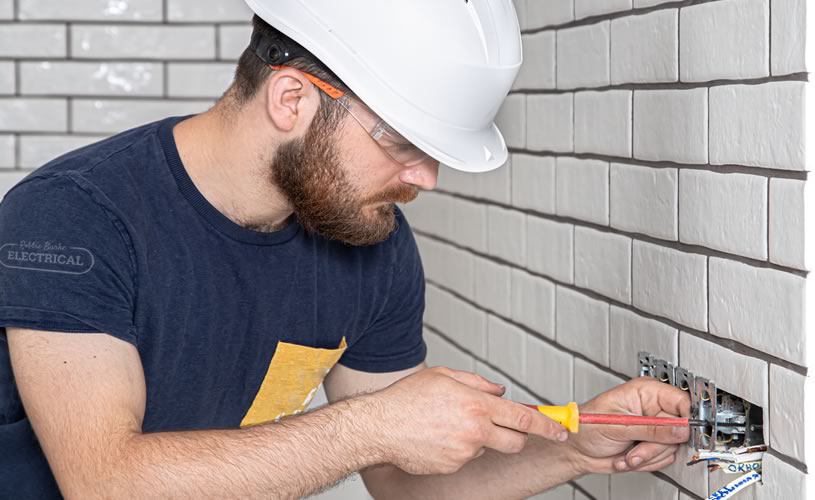
Why the most skilled jobs often look effortless… and why that’s exactly what makes them valuable
One of the quiet truths I’ve learned from speaking with trades professionals over the years is this:
“When a job is done properly, it often doesn’t look impressive — it just looks like it was always meant to be that way.”
The pipe sits neatly.
The wall looks untouched.
The floorboard blends perfectly.
The wiring disappears back into the structure.
Nothing dramatic.
Nothing showy.
Nothing that screams “Look what I did here.”
To the untrained eye, it can even feel underwhelming — almost as if not much work happened at all.
But in reality, that “simple” outcome is usually the product of:
-
deep experience
-
careful planning
-
patience
-
judgment
-
and a very deliberate refusal to take shortcuts
The irony is that the more skilled the professional, the less visible the effort becomes.
And that’s where misunderstandings — and undervalued craftsmanship — often begin.
1️⃣ The illusion of simplicity — why the hardest work looks effortless
From the outside, bad work is easy to recognise:
-
rough edges
-
visible patching
-
mismatched alignment
-
cracked filler or uneven finish
It looks complicated because it is —
not in method, but in mistakes.
Good work feels the opposite.
It blends into the background.
It disappears into the structure.
It looks natural.
But behind that clean finish are decisions you never see:
-
measuring twice instead of forcing a fit
-
protecting surrounding materials before working
-
choosing the right fix instead of the fastest one
-
undoing old damage before applying the new solution
The end result may look simple —
but the path to get there rarely is.
2️⃣ Quick fixes are visible — real repairs are invisible
A quick fix often leaves a footprint:
-
a bulge in the wall where filler was rushed
-
a paint line you can see in certain light
-
a surface that looks “patched rather than repaired”
It gets the job “done” — but it also reminds you of the job every time you see it.
Skilled professionals think differently.
Their aim isn’t to show where they worked.
Their aim is to make it feel like the problem never existed.
That means:
-
matching textures, tones and lines
-
respecting the original design of the property
-
restoring continuity rather than just closing a gap
Good work doesn’t announce itself.
It restores normality.
And normality doesn’t look dramatic — it looks right.
3️⃣ When work looks simple, people underestimate what they paid for
Every tradesperson has lived this moment:
They spend hours diagnosing, adjusting, aligning and testing…
The finish looks seamless…
And the homeowner quietly thinks:
“Was that all that needed doing?”
It’s an understandable reaction — because the evidence of difficulty has been removed.
You don’t see:
-
the risk avoided
-
the hidden damage corrected
-
the structural problem prevented
-
the future failure that never gets a chance to happen
You only see the calm after the storm — not the skill that created it.
But that invisible value is exactly what makes good trades work worth paying for.
4️⃣ The difference between tidy work and genuinely skilled work
Some jobs look neat — but they aren’t built well.
Others look plain — but they are technically excellent.
The difference lives in areas most people never think about:
-
whether load, moisture or heat movement was considered
-
whether materials were compatible, not just available
-
whether the repair addressed the cause, not just the symptom
-
whether safety and durability guided decisions at every step
Skill is rarely loud.
Skill shows up in quiet confidence — in work that behaves properly long after the tools are packed away.
That’s why some of the best trades work doesn’t look impressive in the moment…
…it proves itself over time.
5️⃣ Why the best professionals don’t chase dramatic results
Great tradespeople often avoid shortcuts not because they’re slow — but because they understand consequence.
They’ve already seen what happens when:
-
something is sealed instead of properly repaired
-
structure is disguised instead of stabilised
-
cosmetic finish is prioritised over sound construction
Years later, those same shortcuts reveal themselves — and cost far more to fix than doing the job properly in the first place.
So the professional who quietly insists on:
-
preparation
-
reinforcement
-
proper materials
-
safe methods
isn’t being awkward.
They’re protecting the future — not just finishing the present.
And that’s why their finished work feels calm rather than dramatic.
It’s built to last, not to impress.
6️⃣ What I’ve learned from craftspeople who take pride in invisible excellence
The trades professionals I admire most share a common mindset:
“If the work draws attention to itself, something probably isn’t right.”
They care deeply about:
-
alignment
-
proportion
-
protection
-
harmony with the existing structure
They don’t want people to notice where they worked.
They want people to forget there was ever a problem at all.
That philosophy is subtle — but it’s the mark of real craftsmanship.
Where Workily fits into that mindset
Workily isn’t about chasing flashy before-and-after moments or dramatic transformations.
It’s about helping homeowners connect with:
-
professionals who think carefully
-
tradespeople who respect detail and structure
-
experts who value quiet, durable, invisible excellence over shortcuts
Because the best jobs aren’t the ones that look spectacular on day one.
They’re the ones you never have to think about again.
Final thought
Good trades work doesn’t shout.
It doesn’t draw attention to itself.
It doesn’t leave reminders.
It simply returns your home to how it should be — safely, cleanly, and with the kind of care that only becomes obvious years later, when the work is still sound and trouble never returned.
Simplicity isn’t a lack of skill.
Often, it’s the highest expression of it.