

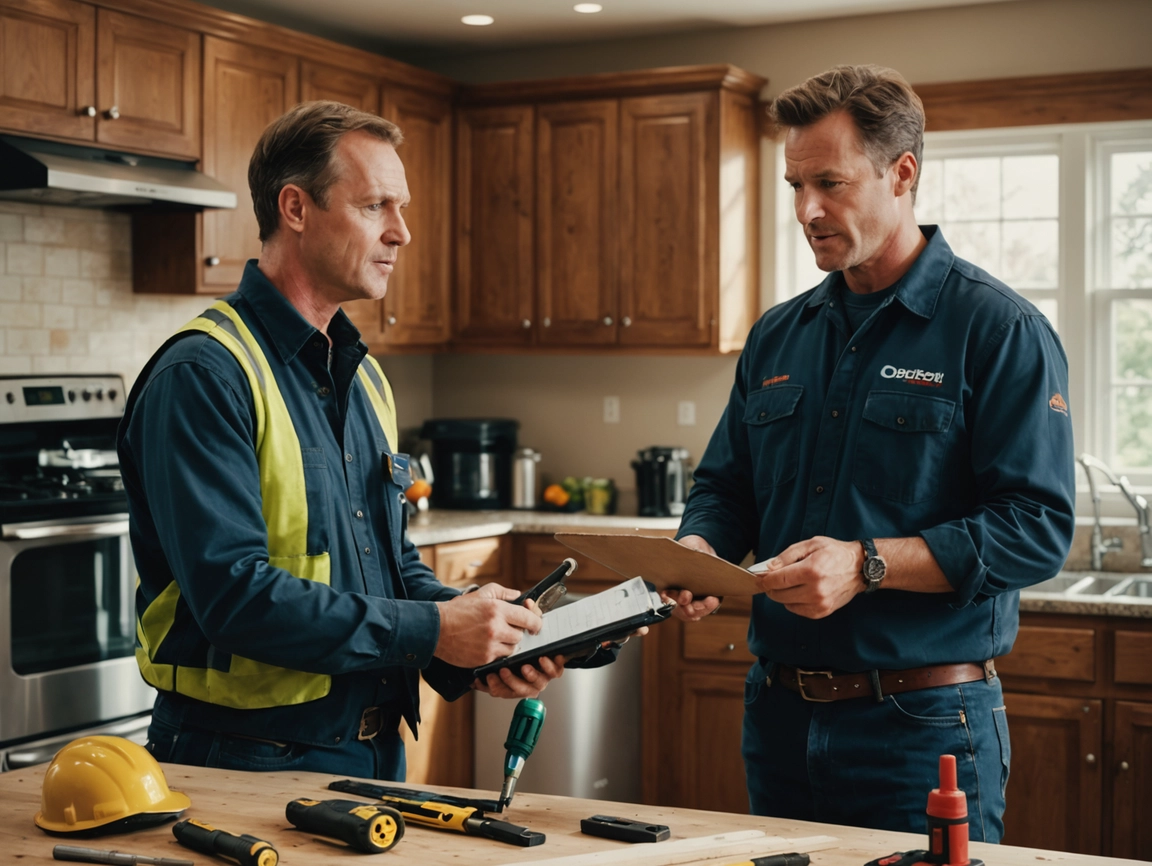
How reliability, respect and accountability shape the outcome of trades work far more than numbers on a quote
After years of listening to both homeowners and trades professionals through Workily, one lesson has become clearer than anything else:
The success of a job rarely comes down to price alone.
It comes down to professionalism — how someone communicates, how they behave, how they treat your home, and whether they stand over the work when things don’t go exactly to plan.
Two people can charge a similar rate.
Two people can use similar materials.
Two people can complete the same task.
But the experience — and the outcome — can feel completely different.
Professionalism is the difference.
And while it isn’t loud or flashy, it quietly shapes every part of the journey — from the first conversation to the final dust brushed from the floor.
This article is about why professionalism matters more than most people realise, what it looks like in real life, and how it protects both your money and your peace of mind.
1️⃣ Professionalism starts before the job — not after
You can usually recognise a professional long before the first tool comes out of the van.
They:
-
respond when they say they will
-
explain things clearly
-
confirm details rather than assuming
-
arrive prepared, not improvising on the doorstep
None of that fixes a leak or replaces a switch —
but it builds confidence, trust and calm.
When the beginning feels organised, the rest of the job usually follows the same pattern.
And when the beginning feels chaotic… the rest rarely improves.
2️⃣ Professionalism shows in the small decisions nobody sees
Most of what defines good work doesn’t happen in the spotlight.
It happens in moments like:
-
laying protective sheets instead of working directly on flooring
-
isolating electrics or water correctly before starting
-
choosing suitable materials rather than “whatever is available”
-
double-checking alignment instead of forcing something to fit
None of those moments are dramatic.
But together, they prevent:
-
damage
-
rework
-
safety risks
-
hidden future costs
Professionalism isn’t about appearing impressive.
It’s about quietly doing the right thing when nobody is watching.
3️⃣ Professionalism treats your home as a place — not a worksite
A home is emotional space — not just a physical environment.
Professional tradespeople understand that instinctively.
They:
-
respect boundaries
-
explain where they’ll be working
-
minimise disruption where possible
-
tidy as they go and finish with pride
Homeowners repeatedly tell us:
“I trusted them because of how they carried themselves — not just what they fixed.”
That feeling isn’t accidental —
it’s the product of careful, respectful conduct from start to finish.
4️⃣ Professionalism doesn’t disappear when something goes wrong
Every trade professional knows that issues can appear unexpectedly:
-
a part fails
-
something behaves differently than expected
-
a finish settles and reveals a flaw later
What defines professionalism isn’t whether problems happen —
it’s how they’re handled when they do.
A professional:
-
listens first
-
returns to assess
-
explains honestly
-
takes responsibility where appropriate
They don’t vanish.
They don’t blame the customer.
They don’t treat follow-up as an inconvenience.
They treat it as part of the job.
And that builds more trust than perfection ever could.
5️⃣ Professionalism often costs a little more — and saves a lot more
High-standard work usually isn’t the cheapest upfront.
But it tends to be:
-
safer
-
cleaner
-
longer-lasting
-
more transparent
-
less stressful
And over time, that means:
-
fewer call-backs
-
fewer surprise costs
-
fewer problems resurfacing months later
You’re not paying extra for polish.
You’re paying for competence, reliability and accountability — qualities that remove risk before it turns into expense.
6️⃣ What I’ve learned from tradespeople who truly care about their craft
The professionals I respect most share a simple belief:
“My reputation travels with every job I complete — so every job matters.”
They think long-term, not transactionally.
They want people to feel:
-
reassured
-
informed
-
respected
-
looked after
Their pride isn’t in how fast they finish.
It’s in how confidently the homeowner sleeps that night.
That mindset is professionalism in its purest form.
Where Workily fits into raising the standard
Workily was built around the idea that good trades work isn’t just technical — it’s professional, accountable and human.
We exist to help homeowners connect with:
-
verified professionals
-
people who communicate clearly
-
trades experts who value trust over shortcuts
Because when professionalism becomes the norm —
outcomes improve for everyone.
Homes feel safer.
Experiences feel calmer.
Work feels fair, transparent and dependable.
That’s the standard worth building.
Final thought
Price matters — of course it does.
But professionalism is what shapes:
-
the journey
-
the trust
-
the quality
-
the experience
It’s what turns a job into a relationship built on respect.
And in the places we live — the spaces that hold our families, routines and memories — that difference isn’t small.
It’s everything.