

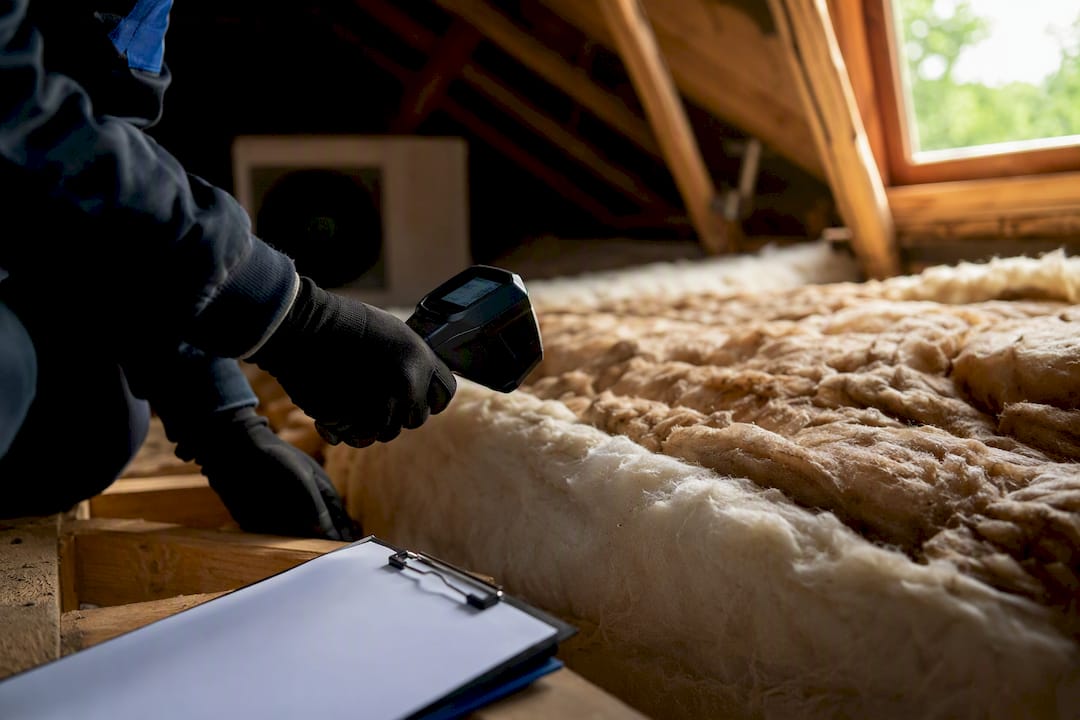
Insulate your attic and stop draughts first. Both cost little or nothing and cut heat loss fastest. Then reset your heating controls so the boiler or heat pump runs only when needed. Once those are sorted, plan bigger fabric and heating upgrades through SEAI grants, and use Workily to line up verified contractors and compare quotes before you commit.
TL;DR:
- Insulating the attic and sealing draughts are low-cost measures that significantly reduce heat loss and should be prioritized before larger upgrades.
- Home heating accounts for over 80% of energy costs, making upgrades to heating controls, insulation, and boilers critical for savings.
- SEAI grants can cover a large portion of insulation and heat pump costs but require proper planning, documentation, and registered contractors.
- Homeowners should conduct a thorough energy audit and maintain their systems regularly to ensure ongoing efficiency and maximize savings.
- Sequencing upgrades from fabric improvements to efficient heating systems yields the best long-term reductions in energy use and costs.
Table of Contents
- Why home energy efficiency matters more than you think
- Which systems in your home use the most energy
- Quick, low-cost ways to cut your energy bills now
- Bigger upgrades and the SEAI grants that pay for them
- How to plan, apply and avoid the common mistakes
- What upgrades actually cost and which to prioritise
- Why hiring a properly registered contractor matters
- Getting a comprehensive home energy audit
- Keeping your upgrades working over the long term
- The gap between grant advice and how homeowners actually behave
- Get quotes and book a trusted installer through Workily
- Sources
Why home energy efficiency matters more than you think
Heating and hot water aren’t a big part of your energy bill. They’re most of it. In an average Irish home, heating accounts for roughly 60 to 61% of total energy use, and hot water adds another 20% on top, according to SEAI’s residential statistics.
The 80% rule: Heating and hot water eat up roughly four out of every five euro you spend on home energy, per SEAI data. Everything else, lighting, appliances, electronics, splits the remaining fifth.
This is why a Building Energy Rating (BER) matters beyond the certificate on your wall. The Central Statistics Office found A and B rated homes use about 43% less electricity per square metre than D and E rated ones. A bigger A-rated house can still use more total energy than a small draughty flat, but per square metre, the rating tells the truth about how well a building holds heat.
Which systems in your home use the most energy
Once you accept that heating and hot water dominate the bill, the next question is which specific appliances and habits burn through the most within those categories.
- Immersion heaters are notoriously expensive to run per hour, often costing more than a full hour of central heating.
- Tumble dryers are among the priciest appliances per cycle in any Irish home, according to The Irish Times’ breakdown of common running costs.
- Electric showers draw a large load in short, sharp bursts, which matters if you’re on a time-of-use tariff.
- Standby devices (set-top boxes, chargers, games consoles) add up quietly over a full year.
The typical Irish household uses roughly 4,200 kWh of electricity annually, and larger homes climb from there. If you’re on a smart or time-of-use tariff, shifting dryer and dishwasher use away from peak hours, typically 5pm to 7pm, can trim your bill without changing how much you actually use. Swapping remaining bulbs for LEDs is still worth doing. It’s a small win, but a genuinely free one once you’ve bought the bulb.
Quick, low-cost ways to cut your energy bills now
You don’t need a contractor for any of this. Most of it takes an afternoon.
- Reset your thermostat with the 30-minute rule. Start heating 30 minutes before you’re home and switch off 30 minutes before bed. Your home’s thermal mass carries the warmth further than people expect, according to Selectra’s guidance on heating schedules.
- Drop your set point by 1 to 2°C and heat room by room using thermostatic radiator valves rather than blasting the whole house.
- Draughtproof doors, windows and your letterbox, insulate the attic hatch, and wrap the hot water cylinder in a jacket if it isn’t already lagged.
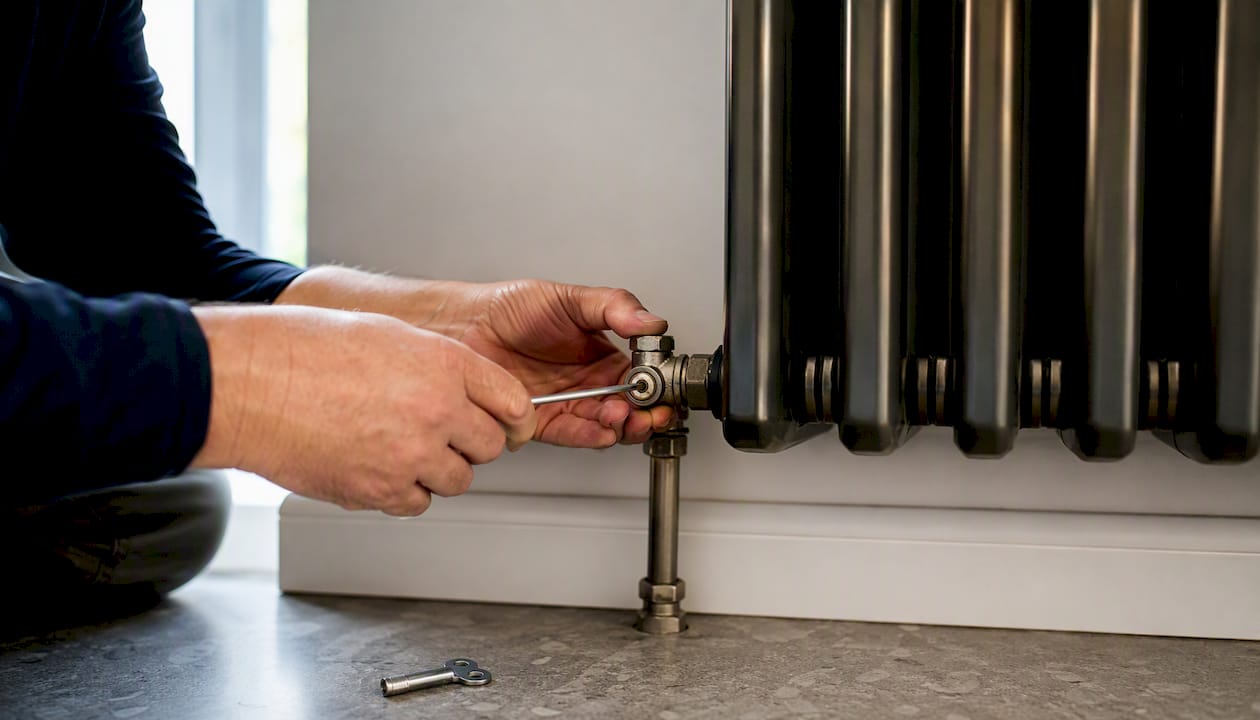
- Bleed your radiators if the tops feel cold while the bottoms are warm. Trapped air is wasted heat.
- Run dishwashers and washing machines on full loads only, and delay heavy cycles to off-peak hours if your tariff allows it.
- Unplug or switch off standby devices you’re not using, and swap remaining bulbs to LEDs.
- Shorten showers, fill the kettle only to what you need, and line-dry clothes when the weather allows it instead of defaulting to the dryer.
Pro Tip: Bleeding a radiator takes five minutes with a radiator key and a cloth. If your heating bill hasn’t moved despite turning the thermostat down, trapped air is often the hidden culprit, not your boiler.
Bigger upgrades and the SEAI grants that pay for them
Once the free fixes are done, the next tier of savings comes from the building fabric itself, and this is where SEAI’s grant scheme becomes central to the maths.
- Attic and rafter insulation is usually the single most cost-effective upgrade, since a poorly insulated roof can lose 20 to 30% of a home’s heat. Grants run up to €2,000, or €2,500 in certain cases.
- Wall insulation (cavity, external or internal) carries grants up to roughly €8,000, and some homes qualify for a second wall measure on top.
- Heat pumps attract the largest single grant, up to €12,500 once combined bonuses are included, but older homes often need prior insulation work before a heat pump runs efficiently. SEAI’s technical assessment guidance flags this heat-pump readiness issue directly.
- Solar PV and solar thermal systems, plus a heating controls upgrade grant of €700 and windows and doors grants, round out the individual measures.
You can apply for these one by one, or use SEAI’s One Stop Shop service, where an approved company manages the whole project and deducts the grant from your invoice upfront. The self-managed route means paying in full, then claiming the grant back yourself.
How to plan, apply and avoid the common mistakes
Grant applications are straightforward, but the order of operations trips people up constantly.
- Gather your paperwork first: your MPRN (found on your electricity bill), your current BER if you have one, and two to three quotes from SEAI-registered contractors.
- Decide on your route: One Stop Shop for a managed, single-contract project, or self-managed if you’re comfortable coordinating separate trades.
- Apply through hes.seai.ie before any work starts. Starting works before your grant offer is approved is one of the most common reasons homeowners lose their funding entirely.
- Accept your offer and complete the work within the offer window, commonly eight months.
- Book your post-works BER assessment promptly. SEAI requires this for grant drawdown, and delays in booking the assessor are a leading cause of slow payment, per Save on Heat’s walkthrough of the process.
- Sign the Declaration of Works, jointly completed by you, your contractor and the BER assessor.
Online applications are often approved almost instantly, but payment typically lands four to six weeks after all paperwork, including the post-works BER, is submitted correctly. If your project includes solar PV, factor in extra lead time: the installer must apply to ESB Networks to connect the system, and that alone can take at least four weeks.
What upgrades actually cost and which to prioritise
Grants cut the sting out of most projects, but they rarely cover the full bill.
- Attic insulation after the €2,000 to €2,500 grant often leaves a modest out-of-pocket cost, and typically pays itself back fastest of any measure.
- Wall insulation after an €8,000 grant still involves a meaningful contribution, but a well-insulated wall reduces heat loss for decades.
- Heat pump installations remain the biggest spend even with a €12,500 grant, particularly in older, less insulated homes that need extra prep work first.
The sensible order is cheapest-per-euro-saved first: draughtproofing and heating controls, then attic insulation, then walls, and only then the big-ticket heat pump or solar work once the fabric is ready for it. A better BER doesn’t just look good on paper. It tracks with real, measurable drops in electricity use per square metre, which is where your actual savings live.
Why hiring a properly registered contractor matters
Grant payment depends entirely on paperwork lining up, and that paperwork only works if the right people sign it. SEAI grants require registered contractors and a qualified BER assessor to complete the Declaration of Works. Hire someone unregistered, and you risk losing the grant altogether, not just delaying it.
Compliance failures rarely come from bad workmanship. They come from missing insurance documents, an unregistered contractor ID, or a BER assessor booked too late in the process. Checking credentials before work starts saves far more hassle than chasing paperwork afterwards.
That’s the gap Workily is built to close: verified, SEAI-registered tradespeople with instant booking, so you’re not left waiting weeks for a callback before works can even begin. Before hiring anyone, check their SEAI registration ID, valid insurance, and willingness to sign the Declaration of Works alongside your BER assessor.
Getting a comprehensive home energy audit
A proper home energy audit goes well beyond eyeballing your attic and calling it done. It usually starts with a BER assessment, carried out by a qualified assessor who inspects your wall construction, roof insulation depth, window glazing, heating system type and controls, then feeds that into a standardised calculation to produce your rating.
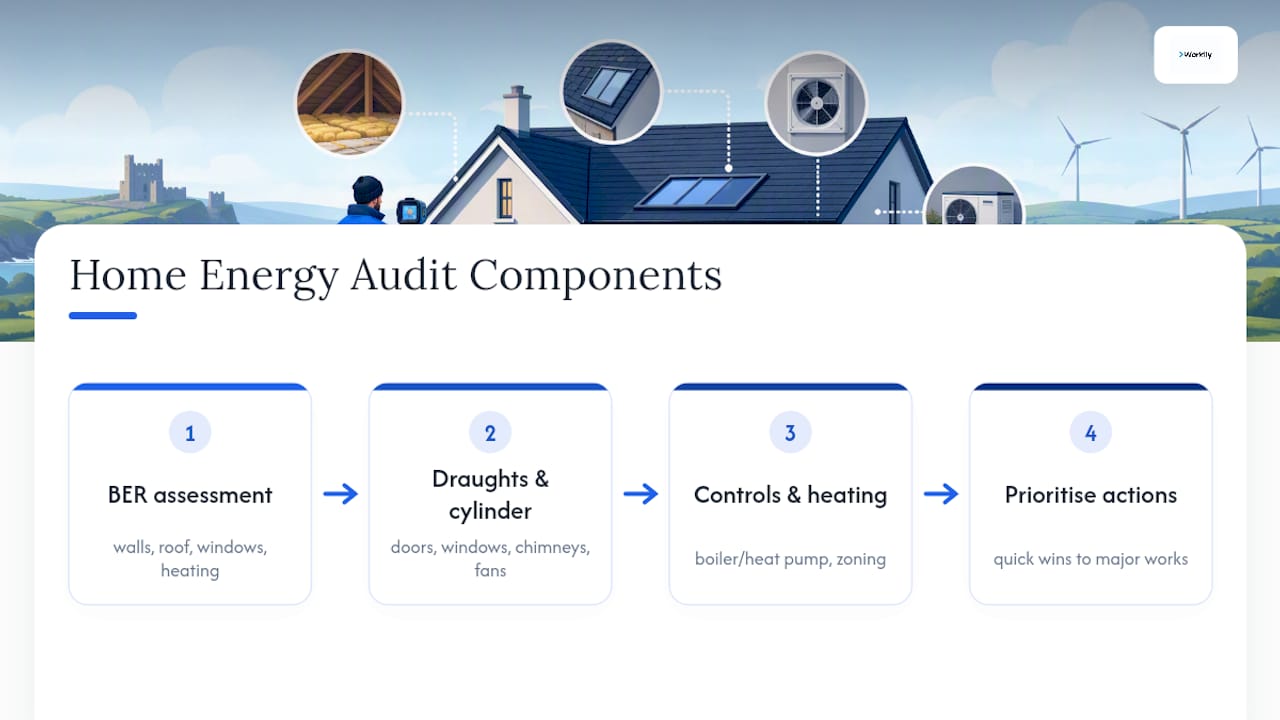
A thorough audit also looks at draughts around doors, windows, chimneys and extractor fans, since air leakage can undo a lot of otherwise good insulation. Assessors typically check your hot water cylinder insulation, boiler or heat pump efficiency, and whether your heating controls actually let you zone the house or just switch everything on and off together.
For homeowners in older housing stock, common in towns like Drogheda, Tullamore or Ennis, an audit often reveals that wall insulation is missing entirely, or that attic insulation has settled and thinned over the decades, losing much of its original effectiveness. This is exactly the kind of detail a DIY inspection misses.
Some contractors offer a more informal walk-through assessment ahead of quoting, which can flag draughtproofing and low-cost wins before you commit to bigger works. Either way, the audit’s real value is turning vague suspicions about a cold house into a prioritised list of jobs.
Keeping your upgrades working over the long term
An insulated attic or a new heat pump only delivers its promised savings if it’s maintained properly, and this is the part homeowners skip most often.
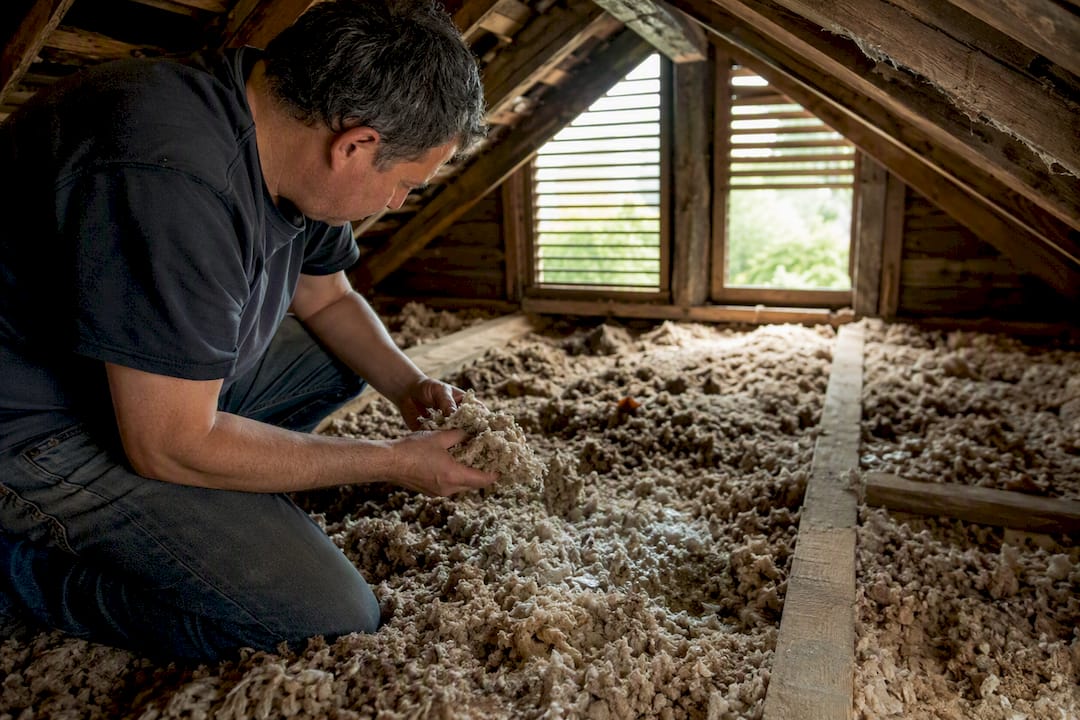
Check your attic insulation every couple of years for signs of settling, water damage, or pest disturbance, particularly after storms or roof repairs. Loose-fill insulation especially can shift over time and leave thin patches that undo some of the original benefit.
Heat pumps need an annual service to keep the refrigerant circuit, filters and outdoor unit running efficiently. A neglected heat pump can lose a noticeable chunk of its efficiency within a few years, which is why booking heat pump servicing in Ireland annually is worth building into your calendar.
Boilers, where still in use, need the same discipline. An annual service through a service like boiler servicing in Ireland catches inefficiencies before they turn into a breakdown.
Smaller maintenance habits matter too: bleed radiators once a year, reseal draughtproofing strips as they wear out, and fix dripping taps promptly since a leaking tap wastes hot water continuously, quietly undoing your hot-water savings. Treat efficiency as an ongoing job, not a one-off project you finish and forget.
The gap between grant advice and how homeowners actually behave
Most guidance on home energy efficiency treats the SEAI grant scheme as the whole story. It isn’t. The grants matter, but they only pay out once the work is finished correctly, and the paperwork trips up more homeowners than the insulation itself does.
What gets underestimated is how much the free stuff moves the needle before you touch a grant application. The 30-minute heating rule and draughtproofing your letterbox won’t get you a certificate, but they cost nothing and start saving money the same evening. Conventional advice jumps straight to “get a heat pump,” when half the homes that would benefit most from one aren’t insulated well enough to use it efficiently yet. That’s not a minor detail. It’s the difference between a heat pump that runs constantly on full power and one that quietly does its job.
If there’s one thing worth prioritising above all else, it’s sequencing: fix the fabric before you fund the fancy kit, as shown in examples of successful house renovations. Attic insulation and draughtproofing first, heating controls second, then walls, and only then the heat pump or solar array once the building can actually hold onto the heat you’re paying to generate.
— Thomas
Get quotes and book a trusted installer through Workily
Workily gets you straight to verified, SEAI-registered contractors instead of a list of names to cold-call. Request quotes from a few local professionals, check their credentials in one place, and book a site survey or BER assessor without the usual back-and-forth over the phone.

Start by lining up two to three quotes for whichever job is next on your list, an attic insulation job, a heat pump readiness check, or a post-works BER assessment. Confirm each contractor’s SEAI registration and insurance before you commit, something Workily’s trust and safety checks are designed to make easy. When you’re ready to move, book a professional instantly through Workily and skip the wait for a callback that never comes.
Sources
- Home Energy Upgrades And Grants (SEAI)
- SEAI residential statistics
- Household electricity consumption by building energy ratings (CSO)
- The Irish Times: running costs of common appliances