

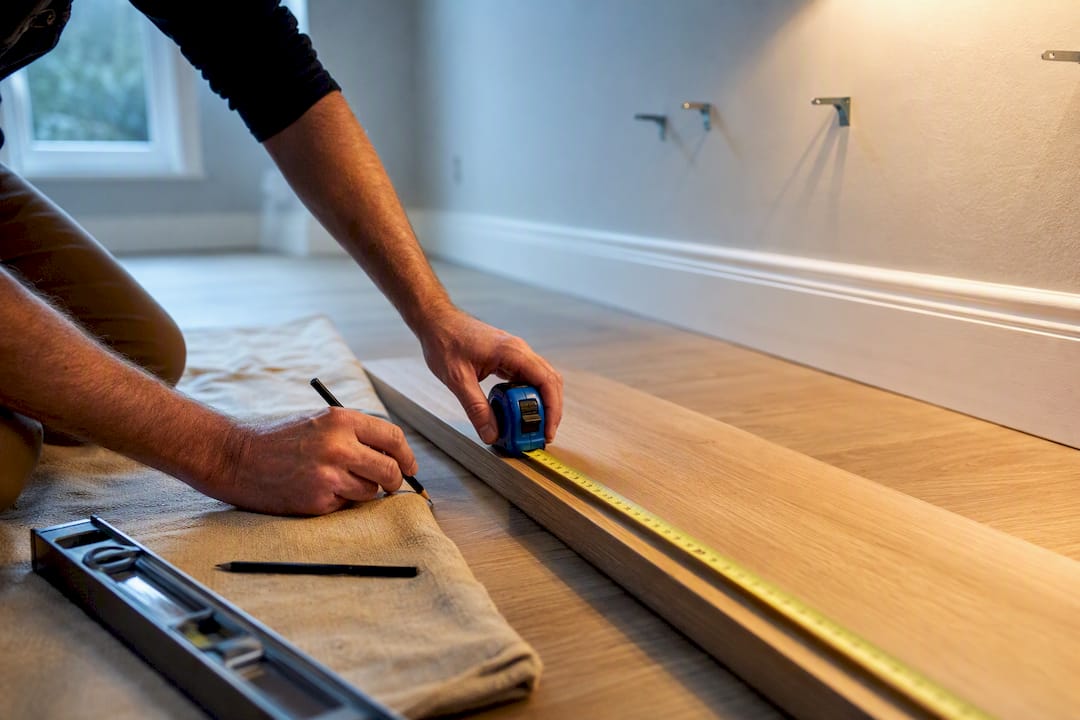
Book a vetted professional for any job involving electrics, gas, structural work, roofing or SEAI-registered installations. The consequence of getting these wrong far outweighs whatever a DIY attempt might save, and marketplaces now let you book someone vetted the same day. Save the ladders and paintbrushes for the jobs where a mistake costs you a weekend, not a rebuild.
TL;DR:
- Vetted professionals are essential for safety-critical, permit-requiring, or structural work to avoid costly mistakes and insurance issues.
- Always verify registration, insurance, and references, and compare three written quotes before accepting any home improvement contract.
- Larger projects typically require a contingency budget of at least 10 to 15 percent to cover unforeseen costs or structural issues.
- Booking through a trusted platform ensures proper vetting, transparent quoting, and secure payment, reducing the risk of home improvement disasters.
- Certain beginner-friendly DIY projects include painting, assembling furniture, and hanging shelves, which require minimal tools and safety precautions.
Table of Contents
- When to hire a vetted professional: the decision checklist
- How to vet and hire the right professional today
- What does a common DIY project actually cost and take?
- How does marketplace booking actually work?
- Basic tools and materials worth having anyway
- What safety precautions matter most before starting?
- Which small projects are genuinely beginner-friendly?
- How do you plan and prepare properly before starting?
- How do you troubleshoot when a project goes wrong?
- Where can you find reliable tutorials and resources?
- What one change actually improves every hire you make?
- Book a vetted professional through Workily today
- Sources
When to hire a vetted professional: the decision checklist
Some jobs are genuinely fine to leave to a confident amateur. Others carry consequences that make hiring the only sensible option, whatever the quote costs. The dividing line usually comes down to four questions: is it safety-critical, does it need a permit or registered installer, does a mistake cost more than the job itself, and does failure put your home insurance or resale value at risk?
Certain categories should almost always go to a registered tradesperson:
- Electrical work beyond swapping a light fitting or socket cover, which legally needs a RECI-registered electrician
- Gas installations and boiler work, which require an RGI-registered installer
- Structural alterations, including removing walls or altering roof lines
- Steep or high roofing work, where fall risk is real and insurance often will not cover DIY injuries
- Main drainage and sewage connections
- Asbestos removal or disturbance in older properties
- Any works eligible for SEAI grants, which typically require a registered installer to qualify for funding
The financial logic is straightforward once you run the numbers. A botched attempt at rewiring a socket circuit might save you €150 on a callout, but a resulting fire, insurance claim rejection, or full rewire bill dwarfs that saving many times over. Unpermitted or poor-quality work can cause serious financial fallout down the line, particularly when a buyer’s surveyor flags it during a future sale.
Statistic Callout: A hybrid approach, where you handle low-risk finishing work yourself but bring in licensed trades for rough-in electrics, plumbing, or structural elements, often delivers the best financial outcome while keeping inspection risk low.
Time-value matters too. If a job takes you three weekends to learn and complete versus a day and a half for a tradesperson, factor in what those lost weekends are worth against the hourly rate you’d pay. For most homeowners, that maths favours booking a vetted pro over DIY far more often than expected.
How to vet and hire the right professional today
Getting this step right matters more than almost anything else in the process; see practical guidance on how to select waterproofing contractor for reliable results. A rushed hire is where most home improvement disasters start, and the fix is a short, repeatable checklist rather than gut instinct.
- Ask for documentation first. Request proof of insurance, registration details (CIRI or the Voluntary Construction Register, RECI for electricians, RGI for gas installers), and photos of recent, comparable work.
- Get three written quotes. Comparing at least three like-for-like bids is the single most reliable way to spot inflated pricing or vague scope. Make sure each quote itemises PC sums (provisional cost allowances for items like tiles or fittings) so you’re comparing the same job, not three different ones.
- Check the payment schedule. A fair contract ties payments to milestones, not a large deposit up front. Retention of a small percentage until snagging is resolved protects you.
- Nail down contract essentials. Scope of works, start and finish dates, what happens if the job runs over, and how disputes get resolved should all be in writing before work starts.
- Call the references. Ask specifically about work completed in the last 12 months, since a five-year-old reference tells you little about current standards.
Pro Tip: Ask every tradesperson the same three questions: “Can I see your current insurance certificate?”, “What’s your registration number?”, and “Can I contact your last two clients?” A confident professional answers all three without hesitation.
Red flags include reluctance to provide written quotes, no fixed contract, demands for full payment upfront, or registration numbers that don’t check out. Verifying legitimacy before you sign anything takes ten minutes and avoids most of the horror stories you’ll hear from neighbours.
What does a common DIY project actually cost and take?
Cost bands vary by county, property age, and access, but rough ballparks help you sanity-check quotes before you commit.
- Small repairs (leaky tap, minor plastering): €80–€250, usually completed within a day
- Bathroom refresh (new suite, tiling, no structural change): €4,000–€9,000, typically one to two weeks
- Kitchen update (units, worktop, no wall removal): €8,000–€18,000, two to four weeks
- Full renovation or extension: €50,000–€150,000+, often four to nine months once planning is factored in
- Reroofing: €5,000–€12,000 for an average semi-detached roof, one to two weeks weather permitting
- Electrical rewire: €3,500–€7,000 for a three-bed house, three to five days
- Heating system replacement: €4,000–€8,500, one to three days for a straightforward swap
Statistic Callout: Chartered surveyors and project managers add measurable value on larger jobs by inspecting work quality, managing the budget, and making sure certificates and contracts are properly in place before final payment.
Roofing, electrics, gas, and most Re-funded works need registered installers or an assigned certifier for compliance purposes. Add a contingency of at least 10 to 15% on any renovation quote. Materials shortages, hidden damp, or an unexpected structural issue behind a wall are common enough that a contingency buffer isn’t optional planning, it’s standard practice. Planning ahead properly can also shave weeks off your overall timeline by avoiding gaps between trades.
How does marketplace booking actually work?
Booking through a service platform follows a fairly predictable sequence, whether you’re arranging a same-day repair or a multi-week renovation.
- Post the job or use instant booking. Describe the work, or select instant booking for urgent jobs like a burst pipe or a broken boiler.
- A vetted professional confirms availability. Vetting typically covers identity checks, insurance verification, and registration status where applicable.
- You receive a written quote. Review it against the scope you described before accepting.
- Accept and pay securely through the platform. This creates a paper trail if a dispute arises later.
- Warranty and follow-up handling. Reputable pros stand behind their work for a defined period after completion.
Vetting reduces risk substantially, but you should still verify registration numbers yourself for regulated trades and read recent reviews before confirming. If a job turns out bigger once the tradesperson is on site, say a “quick” boiler service reveals a failing part, expect a revised written quote before extra work proceeds rather than a surprise on the final invoice. Same-day booking for urgent repairs works particularly well for this exact scenario, where waiting days for a callback simply isn’t an option.
Basic tools and materials worth having anyway
Even if you’re booking professionals for the substantial jobs, a small kit of basics saves you calling someone out for genuinely minor tasks. A decent claw hammer, a set of screwdrivers, a spirit level, a tape measure, and a stud finder cover most simple household fixes. Add a cordless drill with a mixed bit set, a utility knife, and a stepladder rated for indoor use, and you’ve got the essentials most homes need.

For materials, keep a small stock of wall plugs and screws in mixed sizes, filler for small cracks, a tube of decorator’s caulk, and touch-up paint matched to your walls. A multimeter is worth having if you want to check whether a socket is dead before calling an electrician, though never open a consumer unit yourself.
None of this replaces a registered tradesperson for anything electrical, structural, or gas-related. It simply means you’re not waiting three days for someone to hang a picture frame or fix a wobbly cabinet hinge. Keep tools stored somewhere dry and organised. A toolbox that’s a tangled mess costs you more time hunting for the right bit than most small jobs actually take to complete.
What safety precautions matter most before starting?
Safety starts before you pick up a single tool. Turn off power at the consumer unit before touching any socket or switch, even for something that looks purely cosmetic. Test the circuit is dead with a proper voltage tester, not by assumption.
Wear the right protective gear for the job: safety glasses for anything involving cutting or drilling, gloves for handling insulation or old materials, and a dust mask when sanding painted surfaces built before 2000, since older paint can contain lead. Never work alone at height, and check your ladder is rated and fully secured before climbing.
Ventilate any space where you’re using solvents, adhesives, or paint strippers. Keep a first aid kit accessible, and know where your nearest A&E is if you’re working with sharp tools or power equipment. If a job involves gas, structural elements, or anything you’re not confident reading correctly (a load-bearing wall, for instance), stop and book a professional rather than guessing. The Health and Safety Authority publishes guidance on safe DIY practice that’s worth a read before any project involving power tools or height.
Which small projects are genuinely beginner-friendly?
A handful of projects reward a first attempt without much risk if something goes slightly wrong. Painting a single room is the classic starting point: clean the walls, fill any small holes with filler, sand smooth, then apply one coat of primer if you’re changing colour dramatically, followed by two coats of your chosen paint with a four-hour drying gap between coats.

Assembling flat-pack furniture teaches patience more than skill. Lay every piece out and check against the instructions before starting, since missing a step early often means unpicking half the build later.
Hanging shelves with a stud finder and proper wall plugs is a genuinely useful skill: mark your level line first, drill pilot holes, and always use a fixing rated for the weight you’re putting on it. Refreshing kitchen cabinet handles or repainting a tired front door are both low-cost, high-visibility wins that take an afternoon and need no specialist tools beyond a screwdriver and some sandpaper.
How do you plan and prepare properly before starting?
Budgeting comes first.
Time management matters more than most people expect. A job estimated at “a weekend” routinely becomes two once drying times, paint coats, or unexpected snags are factored in. Block out more time than you think you need, particularly for anything involving paint or adhesive curing.
Workspace setup avoids half the frustration people report afterwards. Clear the area fully, cover flooring and furniture with dust sheets, and have your tools laid out before you start rather than hunting mid-job. Good lighting matters too, especially for detail work like filling or sanding. If the project touches anything structural, electrical, or covered by regulation, that’s your cue to stop planning it as DIY and start comparing quotes from vetted professionals instead.
How do you troubleshoot when a project goes wrong?
Most small DIY problems trace back to one of three causes: rushing preparation, using the wrong fixing for the material, or skipping a drying or curing step. Paint peeling within days usually means the surface wasn’t cleaned or primed properly beforehand. Strip back, clean thoroughly, and reapply rather than painting over the problem.
A shelf that wobbles or pulls away from the wall almost always comes down to the wrong wall plug for the material, plasterboard needs a different fixing than solid block. Remove it, patch the hole, and refix with the correct anchor rated for the weight.
If a tap keeps dripping after a washer replacement, the valve seat itself may be worn, which is a five-minute job for a plumber but a frustrating loop for a DIYer without the right tool. That’s usually the point where booking a professional costs less than the fourth attempt at a fix. If you’re unsure whether a problem is minor or a sign of something more serious, a quick video consultation through Ask a Pro on Workily can tell you which it is before you spend another weekend on it.
Where can you find reliable tutorials and resources?
Not every online tutorial is worth trusting, and the gap between a slick video and a safe, correct method is wider than it looks. For general technique, the RTÉ Home Rescue archive and Irish hardware retailers’ own how-to guides (Woodie’s and Chadwicks both publish project guides) tend to be reliable for basic tasks. YouTube channels run by qualified tradespeople, rather than general lifestyle creators, are worth following for anything beyond cosmetic fixes.
Books still earn their place: the Haynes home DIY manuals remain a solid, unglamorous reference for plumbing and basic carpentry. Local adult education centres and some County Council-run community programmes occasionally run short evening workshops on basic home maintenance, worth checking with your local Education and Training Board.
For anything where you’re not sure whether a tutorial applies safely to your specific situation, whether it’s a listed building, an older wiring setup, or a structural quirk, a short paid consultation through Ask a Pro gets you a direct answer from someone qualified, rather than a guess based on a video filmed for a different house entirely.
What one change actually improves every hire you make?
If there’s a single habit that separates good outcomes from expensive regrets, it’s this: always get three written quotes, and always check insurance and registration before signing anything. It sounds basic, and that’s exactly why so many people skip it under time pressure.
Workily’s own data backs this up in a roundabout way. The platform reports a 98% satisfaction rate across more than 100,000 customers, which tracks closely with how much friction gets removed when vetting happens before a job starts rather than after something’s gone wrong. One repeat pattern worth noting: homeowners who compare quotes through the platform rather than accepting the first offer consistently report fewer disputes over final cost.
Trust the paperwork over the sales pitch every time.
— Thomas
Book a vetted professional through Workily today
Workily is the alternative to cold-calling tradespeople and hoping for the best, you get vetted professionals, instant booking for urgent jobs, and written quotes you can actually compare side by side. Every pro on the platform goes through a vetting process covering identity, insurance and registration where it applies, which is exactly the checklist this article has walked through.

If you’re still weighing up whether a job needs a professional at all, Ask a Pro connects you with an expert for a quick video consultation before you commit to anything. For jobs that can’t wait, instant booking gets someone vetted out the same day. And for everything else, from bathroom refits to rewires, browse and book a professional once you’ve got your three quotes lined up and your questions ready.
Sources
- SCSI guide to engaging a contractor
- DIY vs hiring a contractor: when each makes financial sense
- How to choose a contractor and go through the tender process