

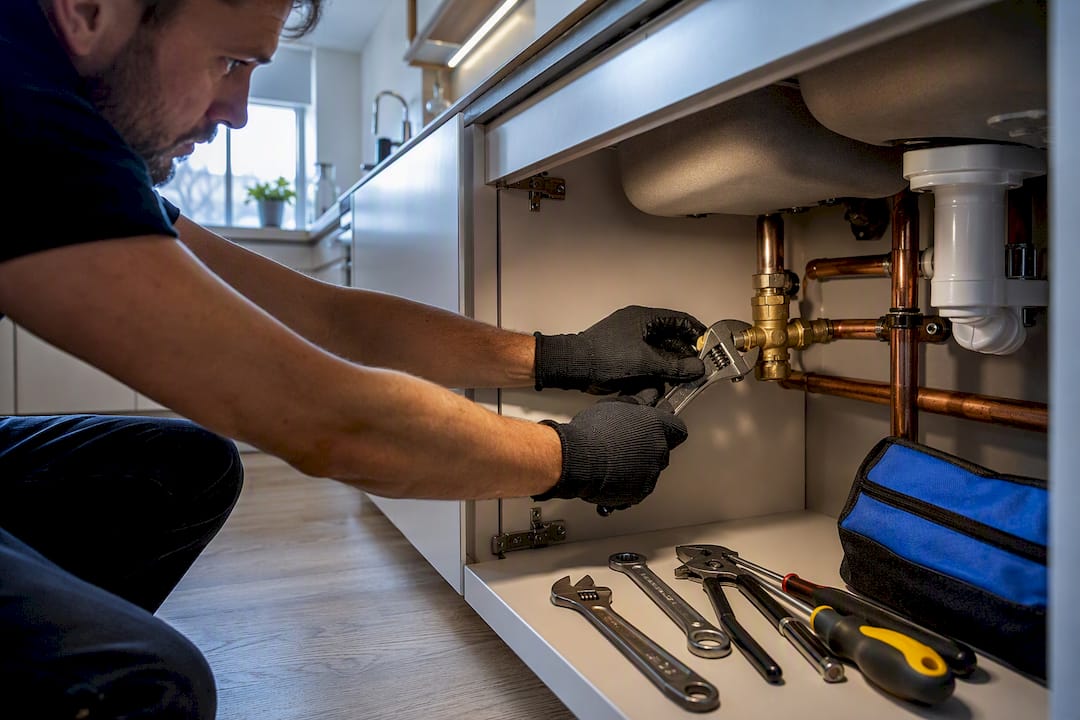
Book a plumber through a verified instant-booking platform like Workily, or call an RGI-registered plumber directly if gas is involved. Expect a call-out fee typically charged before any work starts, and always confirm insurance and gas registration before agreeing to anything.
TL;DR:
- Booking through an instant platform like Workily offers verified, insured plumbers with same-day availability, reducing wait time and unqualified hires.
- Always verify gas registration and insurance, and ask for a written quote, especially for gas work or heating upgrades to ensure transparency and compliance.
- Call-out fees in Dublin typically range from €50 to €100, with hourly rates between €60 and €90, plus higher charges for emergency or outside-hours visits.
- Preparing by shutting off the stopcock, taking photos, and clearing access can shorten the appointment and lower the final bill.
- Reserve urgent cases for immediate callouts, such as gas leaks or major flooding, while scheduling non-urgent repairs prevents unnecessary premium charges.
Table of Contents
- How to find a plumber in Dublin quickly
- What credentials should you check before hiring?
- What does a plumber cost in Dublin, and what should you ask?
- How to prepare before the plumber arrives
- Is this a plumbing emergency or can it wait?
- Why a vetted booking platform reduces the risk of hiring badly
- A few honest lessons from watching how people hire tradespeople
- Book a vetted plumber through Workily right now
- Sources
How to find a plumber in Dublin quickly
Speed matters when water is pooling on your kitchen floor, but rushing into the first phone number you find online causes most of the regret homeowners report afterwards. There are three realistic routes, and each suits a different situation.
- Instant booking platforms connect you with verified, insured professionals who can often confirm a same-day slot within minutes rather than hours. You enter the job details once and see availability immediately, which cuts out the round of calls to businesses that are already booked solid.
- Direct calls to local plumbing firms work well if you already have a trusted contact. Be specific: describe the fault, mention if it involves gas or hot water, and ask for a time window and a price range before you hang up.
- General directories are useful for browsing names and contact numbers but rarely confirm credentials or live availability, so you still need to run your own checks once you’ve picked someone.
If your query is genuinely “find a plumber in Dublin” right now, an instant booking service saves the back-and-forth. If it’s a smaller job that can wait a day or two, a direct call to a local plumber Dublin homeowners already rate well often gets you a better price.
What credentials should you check before hiring?
A licence to trade doesn’t exist for general plumbing in Ireland the way it does for electrical work, so verification falls almost entirely on you. Run through this before you confirm any booking:
- Public liability insurance. Ask for confirmation and, ideally, a minimum cover figure. Most established Dublin plumbers carry substantial public liability insurance cover.
- RGI registration for gas work. Anyone touching a gas boiler, cooker, or fire must be Registered Gas Installers (RGI) certified. Ask for their RGI number and check it against the register, or ask to see their ID card on arrival.
- Genuine reviews. Look for reviews tied to a verified booking rather than unverifiable text on a company’s own website.
- A written quote. Even a text message confirming the price counts, provided it names the job, the parts, and whether VAT is included.
- Parts and VAT policy. Ask whether parts are marked up and whether the quoted price already includes VAT.
Pro Tip: Save a screenshot of the RGI card or the confirmed booking details before the plumber arrives. If a dispute comes up later over price or workmanship, having that record makes the conversation far easier.
For heating system upgrades, the Sustainable Energy Authority of Ireland (SEAI) also requires certified installers for grant-eligible work, so check this before booking if you’re planning to claim a grant. If you’re unsure how to run these checks quickly, this guide on how to check if a tradesperson is legitimate in Ireland walks through it step by step.
What does a plumber cost in Dublin, and what should you ask?
Most Dublin plumbers charge a call-out fee separately from their hourly rate, and the two get confused constantly. The call-out fee covers the visit itself; the hourly rate (or a fixed job price) covers the actual work once they’re through the door.
- Standard call-out fee: roughly €50 to €100, non-refundable in most cases even if you decide not to proceed.
- Hourly rate: typically €60 to €90 for straightforward jobs, more for specialist gas or heating work.
- Emergency or out-of-hours call-outs: expect a premium on top of the standard rate, particularly for late-night or weekend callouts, as emergency plumbing providers commonly charge more for immediate response.
Local Dublin businesses frequently advertise 24/7 emergency plumbing services with insurance and RGI qualification as standard talking points, so use these as a benchmark when comparing quotes rather than accepting the first figure you hear.
Ask these questions on the first call: Is the call-out fee separate from the labour rate? Is there a cap on hourly billing? Are parts charged at cost or marked up? Does the quoted price include VAT? A plumber who answers all four without hesitation is usually one worth booking. For a deeper breakdown of emergency versus scheduled pricing, see this guide on plumber emergency cost.
How to prepare before the plumber arrives
A little preparation shortens the visit and often reduces the final bill, since less of the plumber’s time goes into diagnosis.
- Find and turn off the stopcock. It’s usually under the kitchen sink or near the water meter at the front of the house. Turning it clockwise stops the flow; if you’re not sure where yours is, locating it before an emergency saves crucial minutes later.
- Take photos and note when the problem started. A photo of the leak, the boiler error code, or the affected area gives the plumber useful context before they’ve even arrived.
- Clear access and secure pets. Move anything blocking the boiler cupboard or under-sink area, and keep dogs or cats out of the way for the visit.
- Agree next steps upfront if parts need to be ordered, including whether a return visit carries a second call-out fee.
Is this a plumbing emergency or can it wait?
Not every plumbing problem needs a 2am callout, and knowing the difference saves you the emergency premium.
- Call immediately: burst pipes, a smell of gas, major flooding, or a boiler leaking near electrics.
- Can usually wait a day: a dripping tap, a slow drain, low water pressure, or a toilet that’s running constantly.
The trade-off is straightforward: true emergencies justify paying more for speed, while non-urgent jobs are better handled with a scheduled visit and a properly compared quote. While you wait for a genuine emergency, turn off the stopcock, switch off any affected electrics at the fuse board, and mop up standing water to limit damage.
Why a vetted booking platform reduces the risk of hiring badly
Hiring a stranger to work in your home always carries some risk, and the traditional method, ringing around and hoping, puts almost all of that risk on you. A vetted marketplace shifts some of that burden onto the platform itself.
- Workily offers instant booking with verified professionals, which means credentials have already been checked before you ever see the listing.
- Genuine, platform-verified reviews and secure payment handling give you a paper trail if anything goes wrong.
- Same-day availability suits emergencies and urgent repairs; for larger renovation projects, you may still want a specialist contractor with a longer track record on similar jobs.
Pro Tip: Use an instant booking platform for anything urgent or gas-related, where verified credentials matter most, and reserve direct hiring for smaller, non-urgent jobs where you already trust the tradesperson.
A few honest lessons from watching how people hire tradespeople
Most hiring mistakes come down to skipping a two-minute check because the situation feels urgent. Always confirm RGI registration before letting anyone near a gas boiler, no matter how confident they sound on the phone. If anything about the visit feels off, ask to see photo ID against the name on the quote.
Availability tightens noticeably in winter, when boiler breakdowns spike across Dublin. Booking a day ahead where possible, rather than waiting until the immediate emergency, usually gets you a better rate and a wider choice of tradespeople.
— Thomas
Book a vetted plumber through Workily right now
Instant booking platforms provide an alternative to ringing around plumbers individually, with professionals undergoing a vetting process that includes credential checks such as insurance, RGI status, and genuine reviews before you open the booking screen; this is detailed further in comprehensive plumber SEO services guidance that also helps plumbing businesses grow.
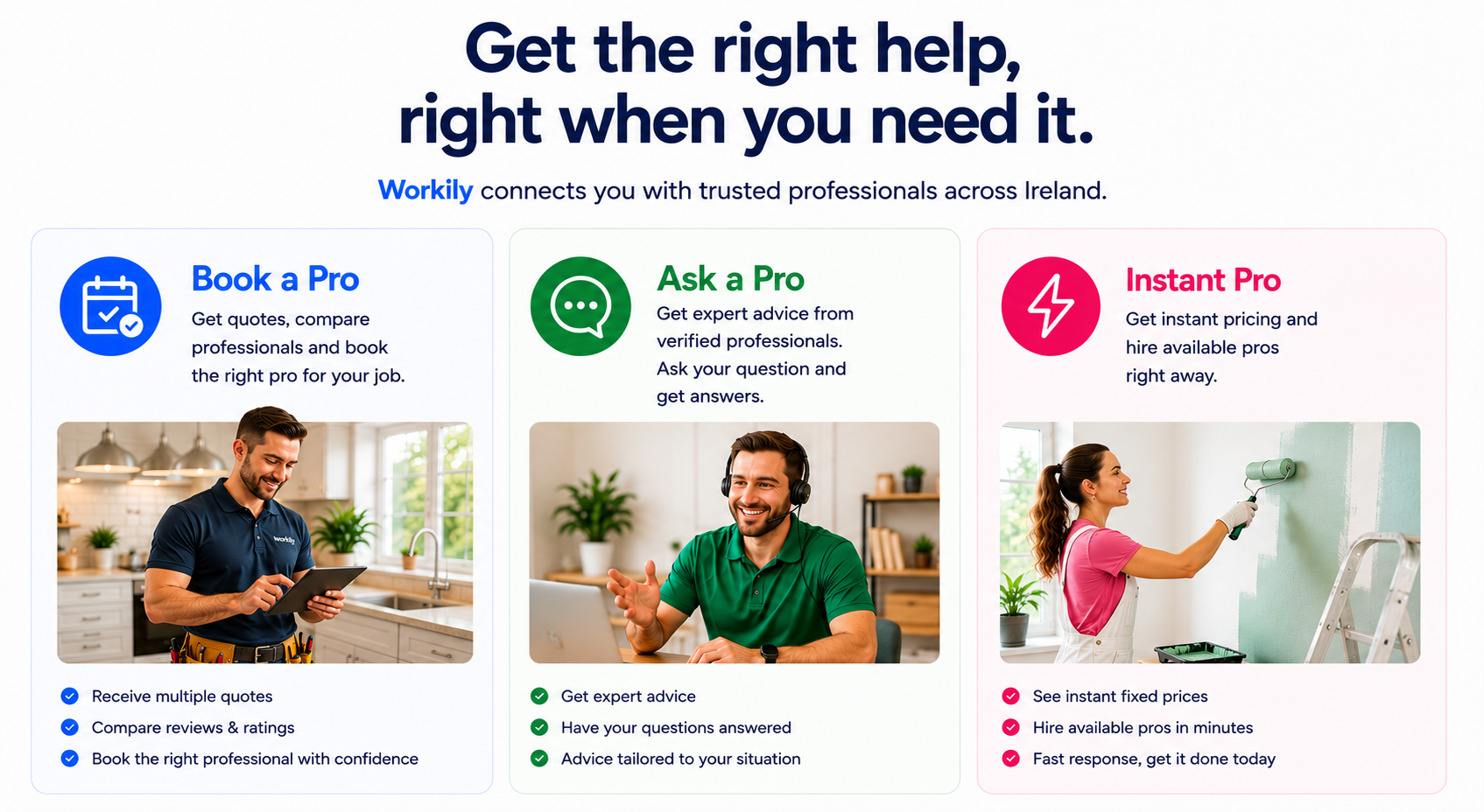
The booking flow can show real-time availability, reviews, and registration details upfront, letting you compare two or three quotes side by side before committing rather than accepting the first callback. For urgent jobs, use instant booking to get a same-day slot; for planned work like a boiler service or bathroom fit-out, book a professional and compare quotes at your own pace. You can also review how the platform vets tradespeople on its trust and safety page before you commit. Have your address, a description of the fault, and photos ready, and you can usually have a confirmed booking within minutes.