


A quote is a fixed price you can hold someone to once you accept it; an estimate is a considered guess that can still move. That single distinction decides whether you can budget with confidence or need to leave room for surprises. Get it backwards and you either overpay for flexibility you didn’t need or get caught out by a final bill nobody warned you about.
TL;DR:
- A quote is a binding, detailed, itemized offer based on specific scope, prices, and assumptions, valid until its expiry date.
- An estimate is a flexible, broad range often used early in projects when scope details are uncertain or variable.
- Final bills usually stay within 10 to 15 percent of the estimate if scope remains unchanged, making estimates suitable for less predictable jobs.
- To avoid disputes, always document assumptions, exclusions, and scope changes in writing, and convert estimates into quotes before work begins.
- Getting multiple written estimates and insisting on a firm quote once scope is clear significantly reduces pricing conflicts.
Table of Contents
- Quote vs estimate: what a quote actually is
- Quote vs estimate: what an estimate is for
- Quote vs estimate comparison at a glance
- When should you ask for an estimate, and when do you need a quote?
- What should be written into a quote or an estimate?
- How to avoid disputes when prices change
- Workily’s take: get it in writing, twice if you have to
- Compare quotes and book vetted pros through Workily
- Sources
Quote vs estimate: what a quote actually is
A quote is a formal, itemised offer to do a job for a stated price. It’s built on a detailed look at the work, not a rough guess, and once you accept it, that price generally becomes binding on both sides, according to Bench Accounting. Your signature, a written “yes” by email, or a purchase order all count as acceptance.
That’s why a proper quote needs more than a single number. Expect to see the exact scope of work, materials and labour broken out separately, payment terms, what’s excluded, and an expiry date after which the price no longer holds. Miss any of these and you’ve got a document that looks official but leaves too much open to argument. PandaDoc notes that explicit assumptions matter just as much as the price itself, because they define exactly what the tradesperson is promising to deliver for that figure.

Quote vs estimate: what an estimate is for
An estimate is an informed approximation, not a promise. It’s what a plumber gives you after a quick look at a leaking pipe, before anyone knows whether the wall behind it needs opening up. FreshBooks describes it as flexible by design, usually offered as a range rather than one fixed figure, specifically because the full picture isn’t known yet.
Industry guidance suggests a final bill should land within roughly 10 to 15 percent of the original estimate if the scope hasn’t changed. Go well beyond that margin without a documented reason, and the estimate starts to look misleading rather than approximate. Estimates suit early enquiries, jobs with variable site conditions (a Dublin period house with unknown wiring, say), and hourly work where nobody can predict exactly how long the task will take. If you’re renovating, this is roughly the stage covered in Workily’s guide to avoiding a renovation budget blowout.
Quote vs estimate comparison at a glance
| Factor | Quote | Estimate |
|---|---|---|
| Legal status | Binding once accepted | Non-binding approximation |
| Level of detail | Fully itemised, fixed price | Broad figure or range |
| Price flexibility | Fixed, changes need a written amendment | Expected to shift as scope firms up |
| Typical timing | Once scope is fully understood | Early enquiry or unpredictable job |
| Validity | Carries an expiry date | Usually informal, no fixed expiry |
When should you ask for an estimate, and when do you need a quote?
The decision comes down to one question: does anyone actually know the full scope of the job yet? If not, an estimate is honest and sufficient. If the scope is settled, a quote gives you something to hold the professional to.
- Uncertain scope, ask for an estimate. A leaking roof with unknown damage underneath, or a garden landscaping job before soil conditions are checked, both call for a range rather than a promise.
- Fixed scope, get a quote. Fitting a new kitchen from agreed plans, or a fixed-date event like a wedding caterer, both need a firm number you can rely on.
- Time-sensitive commercial work leans towards quotes. Business owners chasing a tender or client approval usually need a defined figure to put in front of decision-makers, not a moving target.
If you’re hiring tradespeople in Ireland for the first time, Workily’s guide to requesting quotes walks through exactly what to ask for at each stage.
What should be written into a quote or an estimate?
A price document is only useful if it’s specific enough to settle an argument before one starts. Whichever one you’re given, check for:
- Full contact details for both the client and the provider
- An itemised breakdown of labour, materials and any subcontracted work
- Clearly stated assumptions (site access, existing wiring condition, weather for outdoor jobs)
- Exclusions, so nobody’s surprised by an add-on invoice
- Payment terms and, for quotes, a validity period
- The document clearly labelled “quote” or “estimate”, not left ambiguous
- A signature or written email confirmation once you accept it
Pro Tip: Keep photos and measurements attached to whichever document you receive. If a dispute ever comes up, having the original site photos next to the price breakdown makes it far easier to prove what was actually agreed.
How to avoid disputes when prices change
Put everything in writing, even for small jobs. A verbal estimate from a tradesperson standing in your kitchen feels informal, but if the final bill comes in triple what was mentioned, you’ve got nothing to point back to. State plainly whether the figure you’re giving is binding or provisional. Courts weigh how a document was actually worded and treated, not just what it was called, according to CashflowDesk, so vague labelling is a real legal risk, not just an inconvenience.
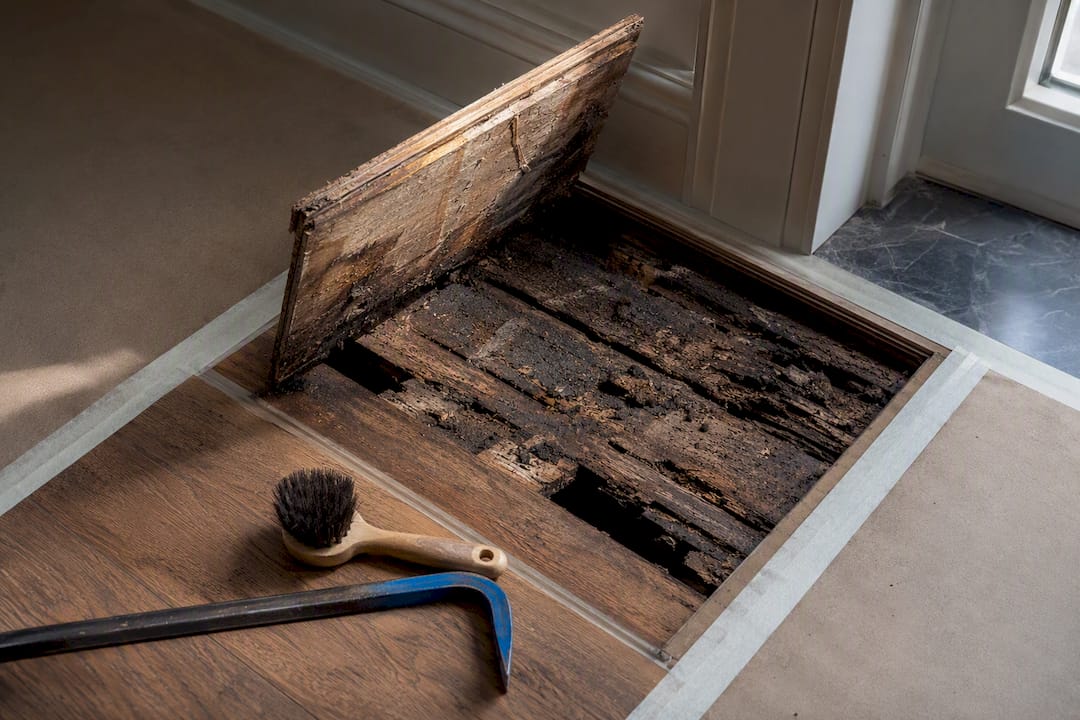
Once the assumptions behind an estimate are confirmed, turn it into a proper quote before work starts. If extra work crops up mid-job, such as rot found under old flooring during a painting job, issue a written change order rather than quietly adjusting the final invoice. This is also where it pays to sort out scope quickly rather than guessing: using Ask a Pro to clarify a tricky detail with a real professional before committing, or booking a pro instantly to inspect the site in person, both cut down the chances of an estimate turning into an unpleasant surprise. Interior door specialists at One Day Doors & Closets make a similar point about installation work: most disputes trace back to scope that was never written down clearly in the first place.
Workily’s take: get it in writing, twice if you have to
Get two or three written estimates before you commit to anyone, then insist on a firm quote once the scope is settled. That two-step habit alone prevents most of the pricing disputes homeowners and small businesses run into. Verified professionals on similar platforms are used to working this way, and tools like expert consultations make it easy to nail down scope before a number ever gets put on paper.
— Thomas
Compare quotes and book vetted pros through Workily
Chasing three different tradespeople for written prices, then trying to compare them fairly, is where most people give up and just go with whoever answered the phone first. This platform offers an alternative to that guesswork: verified professionals, instant booking, and a straightforward way to line up multiple written estimates before you agree to anything.

Start by browsing Book a Professional for home services and trades, or use Instant Booking when you need someone on-site the same day to firm up an estimate into a proper quote. If you’d rather talk through the scope first, Ask a Pro connects you with an expert consultation before you commit to anything in writing. Head to Workily to compare vetted professionals near you and request the written price documents that actually protect you.
Sources
- Budgeting basics: how to plan for your residential construction project in Ireland
- Quote vs. Estimate: What’s the Difference? | Bench Accounting
- Quote vs Estimate: How Do You Know Which One You Should Use? – FreshBooks
- Quote vs Estimate: What’s the Difference? A Comprehensive Guide